

Overview
Summer isn't always the best time of year for cats, especially when temperatures start to rise. This is why we've put together this list of 12 crucial things cat owners should avoid during the hot season. From ignoring the rising temperatures to neglecting grooming and overlooking dehydration dangers, these common oversights can lead to severe consequences.
Your summer responsibility extends to protecting your pet from toxic plants, ensuring regular vet check-ups, and maintaining a clean litter box. Let's delve into these summer tips for cat owners and ensure our pets enjoy a safe, healthy, and happy summer.
1. Ignore hot weather
They might not show it, but your cat will appreciate you helping them keep cool on uncomfortably hot days. Always provide plenty of shade outdoors, and make sure there’s a cool, well-ventilated spot for your cat to retreat indoors. It might be an idea to use fans or air conditioning if the mercury rises above 30°C.

Read more: Heat stroke in cats
2. Forget to check outbuildings
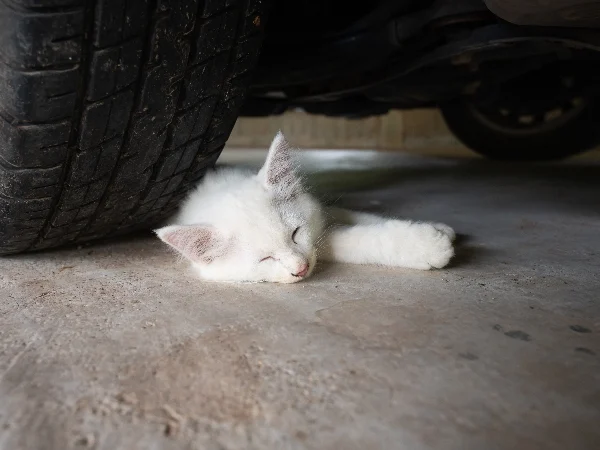
On hot days, regularly check garages, sheds, conservatories and greenhouses. Cats might sneak in to relax, but if the door is shut behind them these buildings can become dangerously hot. Many cats have died from heatstroke after being locked in a garage or conservatory in the summer.
3. Overlook dehydration dangers
Cats get a significant amount of water intake from their food. However, they may need extra water in the summer to stay hydrated. Always make sure your cat has access to fresh, clean water. Dehydration can lead to serious health issues, including kidney problems.
Read more: Top vet tips to keep cats cool over summer
4. Expose cats to toxic plants
Summer brings many plants into bloom, some of which can be toxic to cats. Common summer plants like lilies, azaleas, and rhododendrons can be harmful to cats if ingested. Always check if a plant is safe before bringing it into your home or garden.
5. Neglect grooming
Regular grooming is essential for cats, especially in the summer. Not only does it help to remove excess fur and prevent hairballs, but it also allows you to check for any ticks, fleas, or other parasites that are more common in the summer months.
6. Ignore behavioural changes
Changes in your cat's behaviour might indicate they're uncomfortable or unwell. This could be a sign of dehydration or heat exhaustion in the summer. If your cat is more lethargic than usual, panting, or seems generally unwell, seek veterinary advice immediately.
7. Leave upstairs windows open
Leaving upstairs windows open in summer can pose a risk to cats, especially in high-rise flats. Cats are naturally curious and agile, and an open window can be an enticing opportunity for exploration, potentially leading to dangerous falls. Open windows can also invite unwanted pests or other animals into the home.
8. Overfeed your cat
Overfeeding can lead to weight gain, making it even harder for your cat to stay cool. It's also important to ensure your cat's diet is balanced and nutritious, as certain nutrients can help to regulate body temperature.

Read more: Best cat diets
9. Miss regular vet check-ups
Regular vet check-ups are important all year round, but they can be particularly crucial in the summer. Your vet can advise on keeping your cat cool, check for any signs of dehydration or conditions perhaps caused by fleas, ticks or worms, while making sure your cat is up to date with flea and tick prevention.
10. Leave cats in hot cars
Never leave your cat in a hot car, even for a short period. The temperature inside a car can quickly rise to dangerous levels, leading to heatstroke and potentially death. If you must travel with your cat, make sure the vehicle is well-ventilated and cool.
11. Fail to protect their cat from parasites or other insects
Summer is prime time for fleas, ticks, and other parasites. Regularly deworm your cat and use a vet-prescribed flea and tick prevention product to protect them (these are all included in Pet Health Club membership). Summer also puts cats at risk of being stung by bees and wasps, which can be very dangerous if your cat is allergic. If they are, they might have a reaction known as anaphylactic shock, which requires immediate veterinary attention.

Read more: How to remove a tick from a cat
12. Don’t clean the litter box often enough
In the summer, it's particularly important to clean your cat's litter box regularly. The heat can increase the smell of urine and faeces and encourage the growth of bacteria. Aim to scoop the litter box daily and change the litter regularly.
Need more info?
To find out more about keeping your cat protected during the warm weather, have a chat with your local vet.
Find a Vet near you today.
Join the club today
Get regular health checks, vaccinations, and more, all included in your plan.

Medically reviewed by Edward Davies, BVSc MRCVS
Published on 17/07/2023 • Reviewed on 02/08/2024