

Overview
Just like us, cats can get very hot during summer. Keeping your cat cool during the hottest months of the year is an important responsibility of any cat owner.
Cats don’t sweat as well as humans do, as they only have sweat glands on a few small areas of the body — mostly the feet. Cats also groom themselves to keep cool, as the evaporation of saliva helps regulate their body temperature. As a last resort, they may also pant, but this tends to mean the cat is already in some distress.
The good news is cats are generally good at regulating their body temperature and will seek out cooler areas if they’re too hot. They’re also less likely to engage in strenuous activity in high temperatures compared to dogs.
This doesn’t mean they never suffer heat stroke. While it’s less common in cats than dogs, it’s still a danger that owners of both indoor and outdoor cats should be aware of. To help, our vet has put together these tips on how to cool cats down.
1. Keep them hydrated
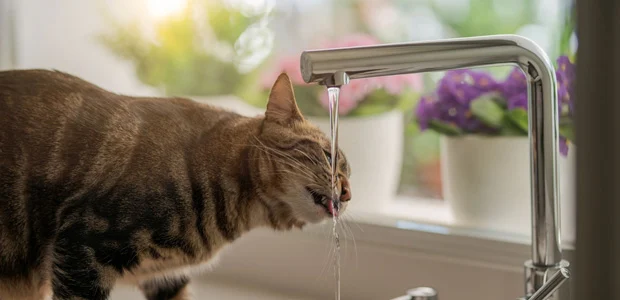
Just like us, cats can get hot during the warmer summer months. To prevent heat exhaustion, ensure your cat has access to fresh drinking water. Placing lots of bowls, cups, or glasses around the house in different spots will give your cat more options to drink from and keep them busy. Ensure your cat's water is full and fresh by replacing it daily, using any left over to water the plants. Never let the water stand for more than 24 hours. Many cats prefer running water, so consider a small cat drinking fountain. Some cats prefer to drink rainwater, so collect some and offer it to them in a bowl or tub.
You can give your cat some frozen treats too. Ice cubes in their water bowl will be a great addition, or you can let them play with an ice cube on its own. This is especially good in the kitchen, where there might be tiles so the cube can skid around. This is a lot of fun for cats, and also a lot of fun to watch. If you want to give your cat something more interesting, frozen chicken broth cubes or ice cubes made with water from cans of tuna can be great ideas.
Some cats may be wary of ice cubes. Ice cubes themselves don't pose any risk to cats, but if your cat finds them suspicious, and avoids their water if it has ice cubes in it, there's a risk of dehydration. Just keep an eye out to see how they react.
2. Change your cat's diet
Cats get the majority of their water from their food. If your cat’s on a kibble diet, they'll need to drink more water to stay hydrated. Speak to your vet about switching to wet food, and transition slowly.
Alternatively, feeding them snacks such as spring water tuna can help them hydrate and give them a delicious treat. But remember to feed in moderation and talk to your vet before changing your cat's diet.
3. Feed your cat a little and often
Cats are natural hunters, and their larger cousins in the wild are the kings of feast or famine. Our cats won't ever have the issue of wondering where their next meal comes from, but we can help them through the summer months by feeding them small amounts often. This will encourage outdoor cats to not stray too far away on hot days, and it also means they aren't exerting more energy digesting larger meals.
Also, consider feeding at night when it's cooler. This is especially important if your cat eats wet food, as during cooler hours it is much less likely that flies will take an interest in it. During the warmest hours of the day flies are likely to eat some and lay eggs on it.
4. Prevent sunburn
Cats can get sunburnt, especially hairless cats, or those with white or pale fur.
Keep them protected by ensuring they have access to shade at all times. If your cat is out exploring in the garden, they should gravitate naturally towards shaded areas, but in the middle of the day, when the sun is at its highest, think about bringing them indoors.
If your cat has white fur or their fur is very thin, treat them to some special sun cream. Some human sunscreens can be toxic to cats, so search for a specifically pet-friendly product. If you're not sure if a product is good to use, have a chat with your vet.
5. Provide a cool spot for your cat to lounge
Always ensure there are areas at home that are cool and well-ventilated where your cat can relax and cool down. Circulating cool air with fans or air conditioning can also help prevent cats from overheating.
Read more: What to do if your cat is stung by a bee or wasp
6. Check your shed, garage, greenhouse, or conservatory
Outdoor cats love a sun puddle and might enjoy nothing more than stretching out in your shed, garage, greenhouse, or conservatory. Just make sure you don’t inadvertently lock them in as these buildings can heat up at the same rate as cars. Make sure you check them regularly.
It's best to keep greenhouse and conservatory windows closed as much as possible. If left open, neighbourhood cats might get in and become trapped in the heat.
7. Watch their weight
Warm weather can be uncomfortable for any cat, but it can be especially difficult for cats who are overweight. Extra body fat makes it harder for them to manage their temperature, which can increase the risk of overheating and heat-related illness. Even a small amount of extra weight can make hot days much more difficult for cats, which is why regular weight checks are worth keeping on top of.

8. Keep them indoors
On those really hot days, consider restricting your cat’s access to the outdoors during the midday and early afternoon sun. Keep them inside for these hottest hours, with plenty of cool areas and fresh water available.
9. Keep them groomed
Long-haired cats may be especially prone to overheating. Keep on top of a regular grooming schedule and keep those furry coats under control.
10. Recognise the signs of heat-related illness
Cats are very good at hiding when they're in distress from their owners. Because of this, it's up to us to read their body language and behaviour and understand when they're struggling. Signs of heat-related illness in cats can include:
Panting (which will become more intense as their condition worsens)
Drooling
Restlessness and pacing
Vocalisation (especially if you have a quiet cat)
Excessive grooming
As your cat's overheating increases, it can lead to heat stroke, which can be fatal. Signs of heat stroke include:
11. Be patient
Cats sleep for 16 to 20 hours a day, and in the summer months, this can rise to 22 hours. However, this can mean that cats become active once the sun goes down. If they get excited and wake you up with the zoomies or are just looking for attention, stay relaxed, don't scold them, and be happy they're happy.
What are the signs of heat stroke in cats?
Your cat may have heat stroke if they display any of these signs:
Restlessness and excessive panting
Sweaty paws
Excessive grooming
Difficulty walking
Vomiting
Seizures
If you suspect heat-related illness, take your cat somewhere cool and shaded as fast as you can. Offer them lots of water in small, easy doses. Wet their fur, and then call your vet right away.
If you notice your cat showing any of the symptoms above, get them to the vet as quickly as possible (but take steps to keep your cat safe while going to the vet during the hot weather).
Read more: Heat stroke in cats: how can I cool my cat down in warm weather?
Need more info?
To find out more about keeping your cat protected during the hot weather, have a chat with your local vet.
Find a Vet near you today.
Join the club today
Get regular health checks, vaccinations, and more, all included in your plan.

Medically reviewed by Lizzie Youens, BSc(Hons) BVSc MRCVS
Published on 18/06/2019 • Reviewed on 17/05/2026