

Overview
When the nights get longer, life gets riskier for cats who love to wander. Dark roads, chilly weather, and hidden hazards can all make autumn and winter more dangerous. So how do you teach a cat to stay safe? Unfortunately, you can’t teach them road sense like you might with a child, but there are still some simple ways to help.
Are cars a big risk to cats?
Road accidents are the top cause of death in young cats. A long-term UK study found that nearly half of all cats who died before eight were hit by cars — rising to over 60% in kittens under one. Even for cats aged one to six, nearly half of deaths were road-related. The study tells us two key things. Firstly, it’s mainly young and male cats who are most at risk. Secondly, most fatal accidents happen in their most active years — well before old age. Some cats may learn to avoid danger, but many never get the chance.
Keeping cats indoors (whether full-time, or just overnight) is one of the best ways to reduce this risk. This is an even wiser decision if you live near fast or busy roads.
Should I let my cat outdoors?
The outdoor life isn’t always best for cats. Your cat’s suitability for going outdoors depends on their breed, age, personality, and confidence. Young, male, and crossbred cats are most at risk of road accidents — especially when it gets dark early during their peak playtime hours.
Before you make a decision about whether your cat should stay indoors or go out, think about how they handle new things. Confident, curious cats may thrive. But if your cat startles easily or dislikes change, staying indoors might suit them better. Watch how they respond to noise and novelty inside for clues.
Things you can do to make the outdoors safer
Before letting your cat out, there are some easy things you can do to make them immediately safer. Vaccines and parasite prevention are important for keeping your cat safe from nasty viruses and pests they might encounter out and about. On the other hand, neutering and microchipping make it less likely they get lost. Unneutered cats are more likely to roam, which raises their risk of accidents, illness, and injury. Microchipping (now a legal requirement) helps lost or hurt cats find their way home. Thankfully, Pet Health Club membership includes many of these routine care needs (like parasite prevention, vaccinations, and microchipping), as well as offering discounts of up to 20% on neutering.
My cat goes outdoors — how do I keep them safe?
If you want to train your cat to have good, safe outdoor habits, it helps for them to be leash trained first. That means you can be with them outdoors and reward certain behaviours, while gently discouraging others. It’s not training to get them to obey commands, but rather to build your cat’s awareness outside. Once they are comfortable wearing a harness, these steps can help.
1. Start indoors: before going outside, let your cat wear their harness during calm moments like play or treat time. This helps them link it with positive experiences, not stress.
2. Choose a quiet time: go out when traffic and noise are low — mid-morning or early afternoon are ideal. Dusk and dawn may feel natural for cats, but they’re riskier when it comes to roads.
3. Start with short, supervised sessions: let your cat explore a secure garden or patio for just a few minutes at a time. Leave the door open so they can retreat if they feel unsure.
4. Use cues and rewards: in the home, train them to respond to a sound — like a whistle or treat tin — and reward them when they come. Practice this outside when they are on a lead. This can help you call them back later on.
5. Watch their body language: look for signs of stress like crouching, wide eyes, or tail flicking. If they seem overwhelmed, take them back inside and try again another day.
6. Build up gradually: extend outings bit by bit. Let your cat get used to new surfaces and garden features at their own pace.
7. Bring familiar items: a blanket, toy, or even their litter tray can help the outdoor space feel safe and familiar in the early stages.
8. Try harness walks: if your cat is confident and is keen to explore further, use a harness and lead to go beyond the garden — slowly and in quiet spots. Simply follow where your cat wants to go, but avoid dogs and unfamiliar people.
9. End on a positive: finish with something your cat enjoys — like a treat or a fuss. You want them to associate outdoor time with safety, structure, and reward.
Before your cat starts roaming freely, it’s a good idea to talk to your neighbours. Let them know you’d prefer them not to feed your cat, as this can encourage risky roaming.
How do I create a cat-safe outdoor space?
If your cat goes outside, the safest option is a space you can control. A well-built enclosure (sometimes called a catio) or cat-proof garden fencing offers fresh air, stimulation, and a change of scene — while cutting the risk from roads, predators, and poisons.

Read more: Why do cats rub their heads on things?
What “safer outdoors” really means
The space must be escape-proof — cats are skilled climbers and well-known for getting in and out of the unlikeliest places. It should block outside threats (like traffic and other animals) and remove inside ones too (like sharp edges or toxic plants). And it should feel like a garden, not a cage. You don’t want this space to be secure but boring — make it fun for your cat as well.
Key design principles and features
1. Strong frame and secure mesh: use sturdy materials like treated timber or powder-coated steel. Fit mesh with small gaps, and always include a roof to block escapes or predators. Anchor panels to the ground or a concrete base to stop movement in bad weather.
2. Fully enclosed and predator-proof: seal every edge — walls, corners, and the ceiling or roof. Add features like overhangs or inward-angled tops to deter climbers. Make sure other animals (like foxes or neighbouring cats) can’t get in.
3. Shelter and retreat spaces: include hideaways, covered areas, and shaded spots. Raised shelves and ramps give cats choice and comfort.
4. Stable flooring and drainage: use firm surfaces like paving, gravel, or decking. Avoid soft, muddy ground unless it’s well contained. Good drainage stops puddles forming. Bury mesh slightly at the edges to stop cats from digging their way out.
5. Safe access and buffer zones: link the enclosure to your home via a cat flap, window, or tunnel. Use a double-door setup to stop escapes, and create a small buffer area to ease the shift from indoors to outside.
6. Garden fencing and barrier upgrades: if a full enclosure isn’t an option, you can still cat-proof your garden. Add angled tops or rollers to fences, secure gaps with mesh, and use overhangs or nets to stop climbing.
7. Safe plants and hazard checks: make sure all plants are non-toxic — avoid lilies, foxglove, oleander, or any of the others listed in our guide to cat-unsafe plants. Remove or lock away chemicals like slug pellets, antifreeze, and weed killers. Cover ponds and water butts to reduce drowning risks. A cat grass and herb area can provide them with additional sensory stimulation and the option to graze.
8. Regular checks and maintenance: inspect mesh, fixings, and corners for rust, damage, or looseness — especially after storms. Keep the area clean to prevent pests or infection. The base and hidden joints are often weak spots, so double-check those too.
What’s the best evening routine for cats?
Cats are most active at dawn and dusk — just when drivers might not be able to see them. That makes early mornings and evenings key times to keep them close to home. A simple way to do this is by setting a regular evening routine. Feed your cat at the same time each night — ideally just before sunset. This helps build the habit of coming home as the light fades. Welcome them home with a short indoor play session, then offer their evening meal to finish. Ending play with food satisfies your cat’s natural hunting instincts and helps them settle for the night.
The role of cat flaps
If your cat goes out during the day, a microchip-activated or lockable cat flap with a curfew mode can help. These flaps let them in after dark but stop them heading back out. When combined with a consistent routine and rewards, most cats adjust well. If your cat struggles to understand why the flap doesn’t always work, or is always trying to get out, closing off access to it overnight (with doors or obstacles placed in the way) can also be helpful.
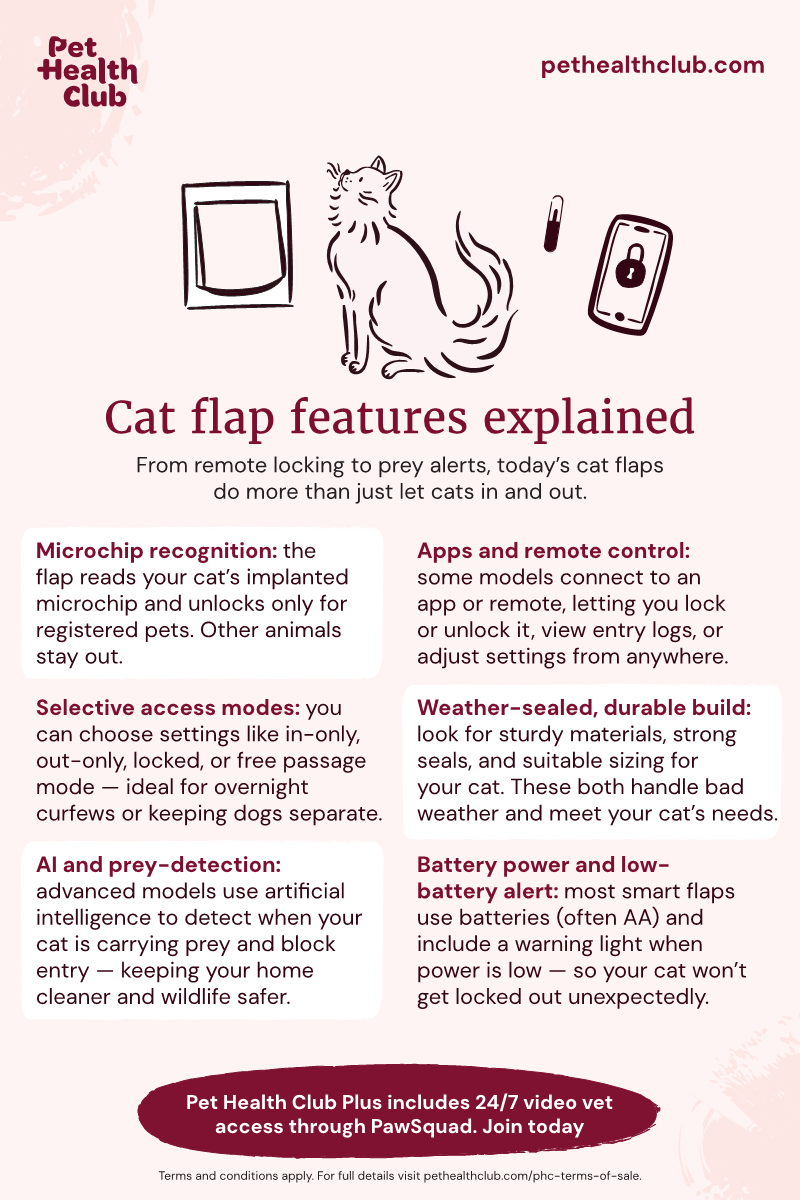
Read more: Autumn hazards for cats
Somewhere to shelter
In cold or wet weather, always have a warm, dry shelter outside — just in case. An old hutch, insulated box or purpose-built cat shelter can offer short-term protection. Keeping a steady pattern — curfew, cues, rewards, and play — can really help keep your cat close when it matters most.
How do I start keeping my cat in overnight?
If your cat needs to stay indoors at night (or full-time) help them adjust slowly. A sudden change, especially for cats used to roaming, can cause stress. But with patience and consistency, most cats settle in well.
Start with a night-time curfew. Let them out during the day, then call them in before dusk with treats or play. Once they’re used to this, you can slowly extend their indoor time if needed. Make coming inside a positive experience. Offer food or play, and avoid forcing them in. If they linger by the door, try distracting them with a toy thrown into another room. Only carry them in if you really have to.
Be patient and consistent
Some cats may meow or scratch at doors when first kept in. Try to ignore this and gently redirect their focus with a toy or perch. Familiar items like a favourite blanket can also help them feel settled. A quiet “safe room” can ease the transition — set it up with food, water, a litter tray, and a cosy bed. It’s especially helpful in busy homes. Cats may seem restless at first, but most settle as they adjust. Giving access to windows or a secure outdoor space like a catio can provide the stimulation they need.
With time, many cats adapt well to night-time curfews (or even full-time indoor life). The key is consistency, gentle encouragement and a bit of patience.
Cat overnight safety FAQs
What should I do if my cat is hit by a car?
Stay calm. If it’s safe, gently move them using a towel or blanket and get to the nearest vet straight away. Keep them warm and quiet during the journey. If your cat is found and brought to the vets by someone else, vets will scan for a microchip and give emergency care.
How can I tell if my cat has injuries after being hit?
Watch for limping, bleeding, fast breathing, swelling, collapse, or hiding. If your cat acts oddly after being outside, always see a vet.
What if my cat goes missing at night?
Check indoors and the garden first, then ask neighbours to look in sheds and garages. Leave familiar bedding or clothes outside — the scent of these can help your cat find their way home. Call local vets and rescue centres, and post on community groups. Make sure your cat’s microchip details are current.
Can a cat recover fully after being hit by a car?
Often yes, but this depends on how serious their injuries are. Many cats recover well with quick treatment. Some may need surgery or ongoing care, but early action makes a big difference.
Do I still need an ID tag or collar if my cat is microchipped?
While microchipping offers a chance of reunion if your lost cat is brought to a vet, an ID tag or collar can help your cat be returned straight to you. If it’s reflective it also provides some extra road safety too. Just make sure it fits well, has a quick release catch, and doesn’t affect your cat’s comfort.
Could a reflective collar confuse or stress my cat?
Some cats take a little time to adjust, but most accept collars if introduced slowly. Pick a light, breakaway or easy-release style and watch for signs of discomfort.
How often should I check or update my cat’s microchip info?
Check at least once a year — or straight after moving or changing phone number. You can update your details through the chip database your vet used.
Will a locking cat flap confuse or stress my cat?
It can be confusing at first, but most cats adjust well when it’s introduced gradually. Pair it with regular feeding and familiar cues to help build a routine, and use a visual cue to indicate to the cat when it is locked (such as moving an item of furniture or a cat bed in front of it).
What if my cat doesn’t come in when called?
Try high-value treats or a sound they know, like a treat tin or soft whistle. Practise recall in daylight first. If recall fails often, a microchip-activated flap with a curfew setting can help manage access.
Is it illegal for drivers to hit a cat and not stop?
Sadly, no. In the UK, drivers aren’t legally required to report hitting a cat — but it’s always right to stop, check for injuries, and contact a local vet or rescue centre.
Need more info?
If you have further concerns or need more advice about your cat’s welfare, have a chat with your local vet.
Find your nearest vet using our Find a Vet page.
Join the club today
Get regular health checks, vaccinations, and more, all included in your plan.

Medically reviewed by Rosie Bescoby, BSc (Hons), PGDipCABC
Published on 30/07/2019 • Reviewed on 03/11/2025