
Overview
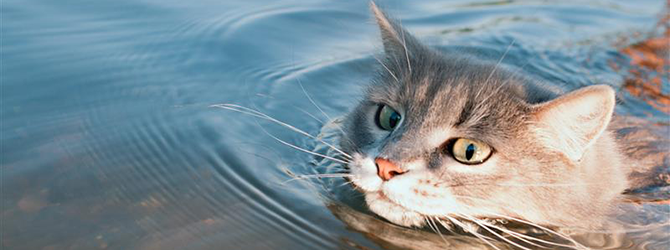
Most cats are naturally able to swim, but many still panic if they find themselves in water unexpectedly. Even shallow ponds or baths can be risky. Water in their lungs can cause serious harm, pool chemicals can upset their skin and stomach, and the effort to get out can leave them exhausted. Cats can drown quickly, and sometimes very quietly. If their owner isn’t around to see, they often won’t know their cat needs help. Some breeds might be more curious than others, but all cats need watching around pools, ponds, or any other body of open water. Taking some measures to cat-proof your pond or pool can also make a big difference.
What do cat owners need to know about water safety?
Even if your cat has no intention of ending up in the water, accidents can happen. Outdoors they may slip and end up in a pool or pond, but indoors isn’t risk-free either — especially for kittens. Toilets, bathtubs, and even unattended buckets can all be hazards. So, how can you help keep them safe?
Keep a close eye: never leave your cat alone around open water — inside or out. Even if they can swim, they might panic, get tired, or not be able to find the way out.
Make exits easy: ponds and pools (including little inflatable paddling pools) should have steps or a ramp your cat can use to get out if they fall in.
Consider a pool alarm: some products detect small movements in water so they can give you a heads-up if something unexpected (like your cat) is splashing around.
Watch out for chemicals: chlorine and salt can irritate your cat’s skin and eyes — and are harmful if swallowed. If your cat ends up in treated water, rinse them with clean water and keep an eye out for any signs they’re not feeling right.
Spot the signs of ingestion: if your cat drools, vomits, avoids food, or seems disoriented or wobbly after being near chemical-treated water, speak to your vet.
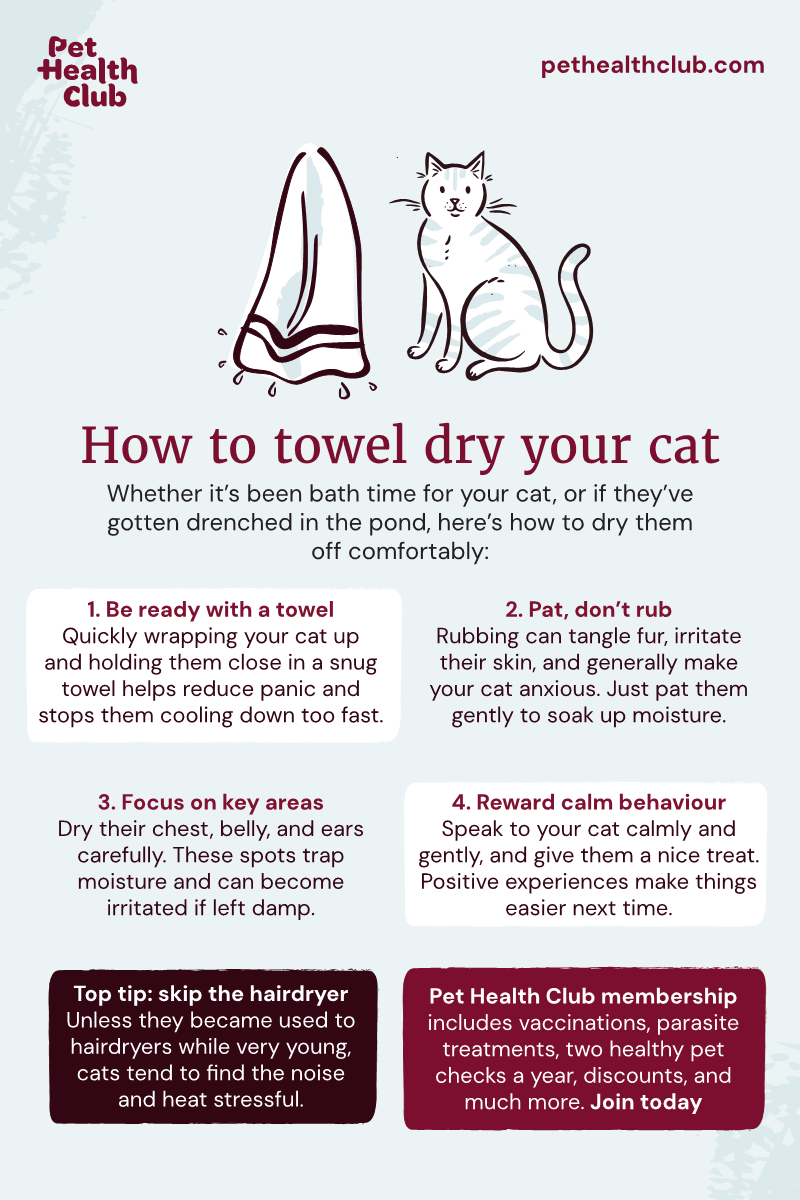
Dry thoroughly: damp fur and ears can lead to skin or ear infections — especially when it’s warm. Towel-dry your cat after they get wet.
Always offer fresh water: when fresh water is available, your cat is less likely to drink from pools or puddles, which might contain bacteria or chemicals.
Avoid natural water sources: lakes, rivers, and even garden ponds can hide sharp objects or pose a risk of diseases and parasites. Stick to shallow spots where you can stay close by.
Consider a cat life jacket: if your cat has a habit of ending up in water, getting a well-fitting flotation jacket might be worth looking into. Many come with handles to help you scoop your cat back up to safety.
Should I stop my cat drinking from pools or ponds?
Cats can be fussy about their water — but that doesn’t mean they have a good eye for healthy water sources. So, which water sources are safe?
Safe choices: tap water, bottled spring water, pet fountains, and clean, filtered ponds with an easy access point.
Best avoided: chlorinated pools, stagnant ponds, sea water, toilets, and puddles that might have oil, chemicals, or other contaminants.
In the wild, still water often means danger. Drinking from outdoor puddles or unclean bowls can expose cats to diseases like giardiasis and leptospirosis. As a result of evolving to avoid stagnant water and the dangers it can pose, many cats instinctively go for moving water instead. That’s why you might catch yours lapping from a tap, shower, or fountain. Pet fountains can be a great way to encourage drinking. They mimic flowing streams and can help keep your cat hydrated — especially if they’re prone to kidney or urinary problems, or not keen on bowls.
On the other hand, cats haven’t evolved to avoid chemicals in their water. Chlorinated water can irritate your cat’s mouth, stomach, and skin. Even a little can lead to drooling, vomiting, or sore patches on their gums or tongue. Toilet water is another one to watch, especially if you use cleaning tablets or chemicals. If your cat has bathroom access, it’s a good idea to keep the lid shut.
Similarly, cats haven’t evolved to process salt water. Drinking sea water can cause dehydration and even affect your cat’s brain.
If you have more than one cat, it’s a good idea to place extra water bowls around your home. Some cats won’t drink if they feel nervous or crowded, so more bowls can mean more peace.

Read more: Can cats eat fruit?
How can I help my cat feel comfortable around water?
If your cat’s curious about water, it’s fine to encourage them — just go slowly and keep it positive. While all cats can swim if they have to, helping them feel confident around water takes time and care.
Start small: a little water in a bath or large tray is enough to begin with. Keep water shallow, and add a non-slip mat so they feel steady underfoot.
Notice their cues: cats that bat at taps or climb into the bath might already be comfortable around water.
Keep it fun: use treats or toys to make getting used to the water a good experience. Keep sessions short and always end with a reward.
Skip the hair dryer: most cats find the heat and noise too much. A soft towel works better — and feels nicer too.
Follow their lead: if your cat walks away or seems unsure, give them space and try again another day.
Offer alternatives: water fountains, shallow paddling pools, or even a cool damp cloth on a hot day can be a gentler way to engage.
Make it familiar: let them hear taps running or visit the bathroom with you — little exposures build comfort over time.
Start young, if you can: kittens between four and 10 weeks are more open to new things, including water.
Cat swimming FAQs
Which breeds enjoy water more?
Some breeds are better known for their love of water. These include Maine Coons, Manx cats, and Norwegian Forest Cats, all of which have dense, water-resistant coats that help them stay comfortable when wet. On the other hand, Bengals and Savannahs are known for being bold and curious, making them more likely to investigate running taps or paddling water. With both a water-resistant coat and an adventurous streak, the Turkish Van is especially well known for its love of water — and may even swim by choice. But even within these breeds, it comes down to the individual cat.
Why do cats hate water?
There are a few reasons, including:
Evolutionary reasons: cats have evolved from desert species who rarely encountered water, so being comfortable swimming or getting wet just isn’t something they’ve needed to adapt to.
Bad experiences: being sprayed as punishment, or bathed under stress, can create a lasting fear of water. Cats remember situations that made them feel unsafe and may avoid anything similar later on.
Sensory issues: wet fur can feel heavy and uncomfortable, and overstimulated whiskers can make cats feel overwhelmed. Cats can also be sensitive to the cold, being more adapted to cope with heat. Many avoid water simply because it doesn’t feel good on their skin or senses.
Loss of control: water can affect a cat’s grip and balance, making them feel unsafe or vulnerable. Many avoid it simply because it limits their control.
Are there any benefits to cat swimming?
In some cases, yes. With the right support and supervision, water can offer gentle exercise. Hydrotherapy is sometimes used for arthritis, post-surgery rehab, or weight management. But it’s not for every cat, and any introduction to swimming should be slow, safe, and always your cat’s choice.
Can cats swim in the sea?
It’s always a bad idea. Even strong swimmers can be caught out by tides, waves, or cold water — and salt water can irritate their skin or cause poisoning if swallowed. On top of that, there are even more hidden hazards like jellyfish, sharp shells, or rusty debris.
Can I train my cat to like water?
You can help your cat feel more at ease around water through gentle desensitisation. Start with shallow water and use treats or toys to create a positive experience. It’s easiest if you start while your cat is still little. But never try to force them — every cat is different, and some will never take to swimming.
How can I tell if my cat likes water?
Cats that enjoy water might:
Bat at dripping taps
Climb into sinks or baths
Play with their water bowl
Show interest in fountains or splashing games
Is it safe for cats to swim in pools?
Only with close supervision, and only for short sessions. Chlorine can irritate skin or upset their stomach if swallowed. Always rinse your cat afterwards and make sure they can get out safely on their own.
How long can cats swim for?
It depends on the cat. Breed, age, fitness, and confidence all play a part. Even good swimmers can get tired fast — so keep sessions short and supervised.
Read more: Why do cats rub?
What is near-drowning in cats?
Drowning can happen fast — and without much noise. If your cat falls into deep water and can’t see a way out, they might panic or tire quickly. But even if your cat is either rescued or manages to get out after falling in water, this near-drowning can mean they are still in danger. The signs can appear hours after the incident, and they include:
Gums that look blue or pale
Frothy or reddish spit-up
Gurgling or raspy chest sounds
Coughing or gagging
Fast breathing or seeming very tired
What to do if your cat falls into water:
Get them out safely: use a pool skimmer, fishing net, or float if they’re panicking.
Dry them gently: wrap your cat in warm towels and make sure they’re completely dry, especially their chest and ears.
Keep them calm: stay close and monitor their breathing and body temperature.
Call your vet straight away: even if they seem fine, fluid in the lungs can cause delayed symptoms — known as secondary drowning.
If your cat isn’t breathing:
Tilt their head lower than their hips to help water drain out.
Gently open their mouth and wipe their nose to try and clear excess water away
If you’re trained, begin CPR or artificial respiration.
Get them to a vet as quickly as you can.
How to prevent drowning:
Make sure pools and ponds have ramps or shallow exits your cat can use.
Fencing isn’t enough — most fences won’t stop a cat from getting into water.
Never leave kittens or curious cats alone near open water — even a bath or full bucket indoors can be dangerous.
Are there any studies into near-drowning in cats?
Although near-drowning and secondary drowning in cats isn’t well studied, the research so far shows how serious it can be — especially if other health issues are involved.
A 2016 study looked at how drowning is diagnosed in animals. They define drowning as any respiratory problems caused by being submerged in liquid, and suggest that actual cases are likely under-reported. Their research explains that drowning sets off a chain of problems in the body — from low oxygen and water in the lungs to chemical imbalances and extreme fatigue. Even pets that survive may face complications like lung infections or long-term effects on the brain.
The findings of this study can be seen in the 2024 case of a six-year-old cat with epilepsy who fell into a pool during a seizure. The cat was found unresponsive and taken to an emergency vet. They had trouble breathing, a slow heart rate, and low body temperature. Tests showed fluid in their lungs and, later, a rare symptom — dark, wine-coloured urine caused by red blood cell damage from inhaling pool water. Although at first the cat showed signs of improvement, their condition then worsened. Sadly, they had to be put to sleep. This case shows that even if a cat initially survives falling into water, the risk of drowning hasn’t necessarily passed — particularly for pets with existing health concerns.
Need more advice?
If you have any questions about cats and swimming, or are worried after your cat has had a swim, see your vet today. Find your nearest practice with our Find a Vet tool.
Pet Health Club Plus members get unlimited consultations, and 24/7 access to video vets through PawSquad. These are super handy for when cats take an unexpected splash.
Join the club today
Get regular health checks, vaccinations, and more, all included in your plan.

Medically reviewed by Lizzie Youens, BSc(Hons) BVSc MRCVS
Published on 07/09/2025 • Reviewed on 07/09/2025