

Overview
As a cat owner, your top priority is keeping your pet happy and healthy, right? That's why you ensure they have their vaccinations and get treatments against fleas and worms.
What you may not know is that some house plants, including some popular flowers, are poisonous to cats and can be extremely dangerous. So, what plants are poisonous to cats.
Brief summary
Many house plants, particularly flowers, can be toxic to cats and potentially lead to fatal consequences
The lily is especially harmful, as every part of the plant is toxic and can lead to kidney failure
Symptoms of poisoning vary but can include vomiting, diarrhea, drooling, muscle tremors, limb paralysis, and respiratory failure
Lilies
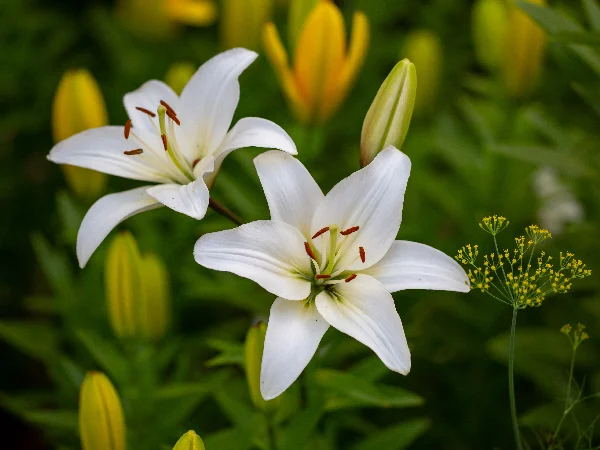
Known for its striking flowers, the lily is a very popular house plant. Unfortunately, lilies are also highly toxic to cats and should be avoided. If your cat eats or licks a lily, they’ll need to see a vet immediately. Cats who ingest any part of a lily are at risk of kidney failure.
The most common way for a cat to ingest this toxic plant is by brushing up against it, causing the pollen to land on their fur, which they later lick off while grooming. What makes the lily so dangerous is that every bit of the plant is toxic, including the leaves, pollen and stem.
If your cat is vomiting, it could be a symptom of lily poisoning. Other symptoms include:
Drooling
Seizures
Twitching
Contact your vet immediately if you think your cat has eaten or licked a lily.
Daffodils
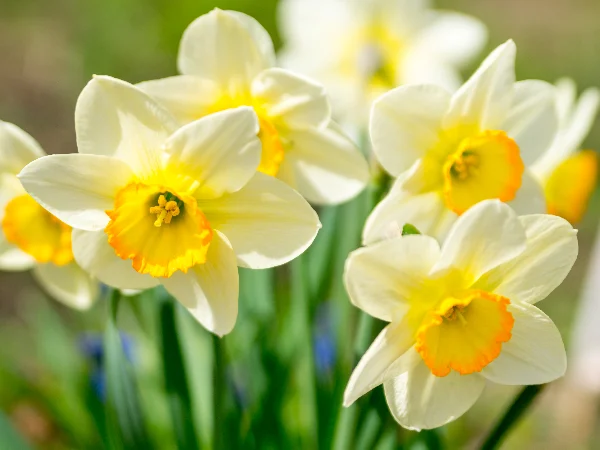
Daffodils are a sure sign that spring has sprung. But if you have a cat, watch out. Daffodils contain a harmful substance called crystalline lycorine, which is mostly found in the bulb of the plant. If your cat eats a daffodil, they might vomit, suffer tummy troubles, and even experience low blood pressure.
Daffodils also contain calcium oxalate crystals, which can cause rashes and skin irritation if touched.
Daffodil poisoning symptoms can include:
Vomiting
Diarrhoea
Abdominal pain
Salivation and drooling
Heavy, shallow breathing
Shivering
Lethargy
No appetite or difficulty eating
Daffodil poisoning is rarely fatal, but if your cat has eaten enough of the plant, call your vet to discuss your options.
Azaleas
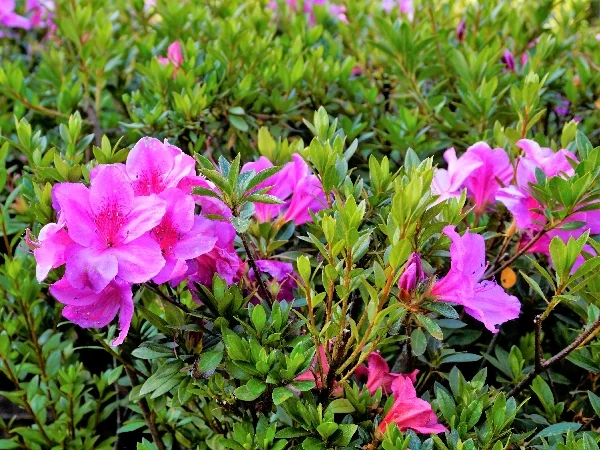
Azaleas are common and popular due to their hardiness and striking array of colours. However, they are extremely toxic to cats. Signs your cat has ingested azaleas may include:
Vomiting
Diarrhoea
Drooling
Lethargy
Muscle tremors
Leg paralysis
In severe cases, azaleas can cause kidney failure in cats and can, on rare occasions, even lead to death. If your cat eats azaleas, you should call your vet immediately so they can start treatment as quickly as possible.
Hyacinth
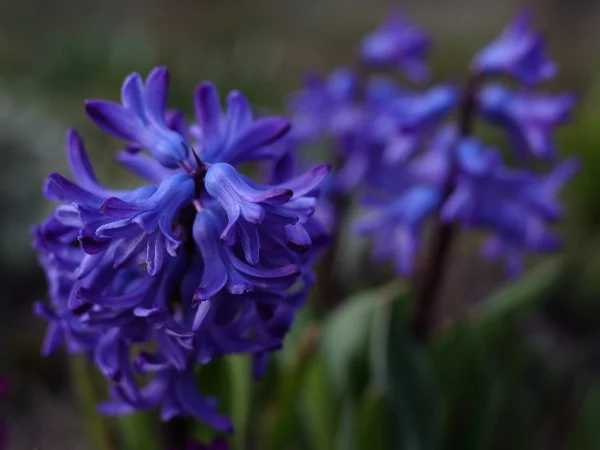
Hyacinths, with their vibrant colours, are a common sight in back gardens. However, like daffodils, hyacinths are on the list of plants poisonous to cats. They contain harmful substances, known as alkaloid toxins, that can make your cat sick. If your cat chews on a hyacinth, they might feel a burning sensation, experience digestive problems, and get sick pretty quickly. Signs that hyacinths might have poisoned your cat include:
Vomiting
Diarrhoea
Drooling
Rapid heart rate
Shallow or laboured breathing
Thankfully, most cats won't eat hyacinths as it causes irritation in the mouth. Despite this, you should contact your vet for advice if you do think any of the plant has been ingested.
Tulips
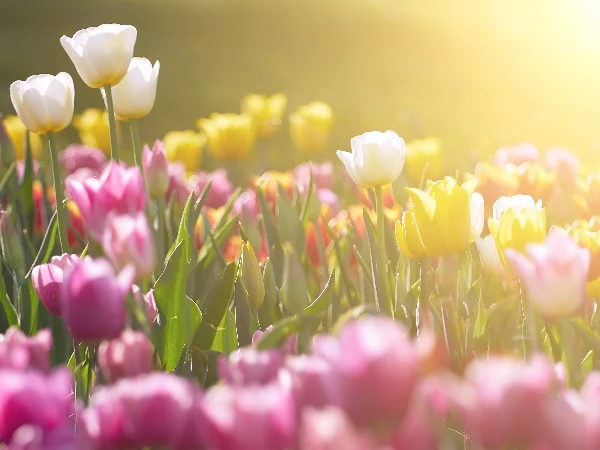
One of Britain's most popular flowers, the tulip can be found in kitchens and gardens across the country. They're part of the lily family and, like lilies, every part of a tulip can harm your cat. The bulb, in particular, can be very harmful. Like many flowers poisonous to cats, tulips contain allergenic lactones, which can cause serious harm if swallowed.
Signs of tulip poisoning include:
Excessive drooling
Vomiting
Diarrhoea
Rapid heart rate
Difficulty breathing
Seek veterinary advice immediately if you believe your cat has eaten or licked a tulip.
Rhododendrons
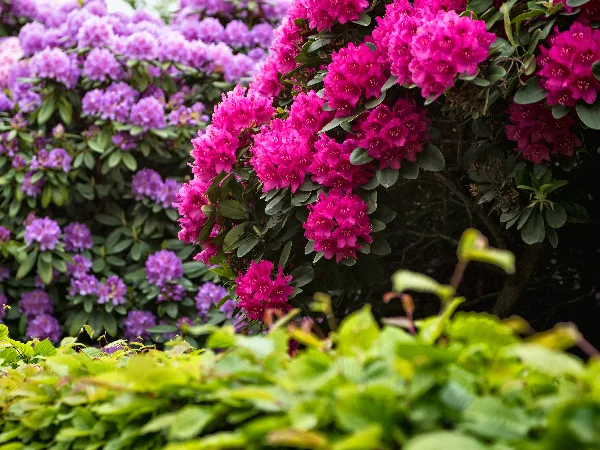
The rhododendron is a common shrub that’s found across the world and is a staple of British gardens. Ingesting rhododendrons can lead to severe complications for your cat's health. Immediate signs of rhododendron poisoning include:
Vomiting
Diarrhoea
Excessive drooling
Muscle tremors
Limb paralysis
Loss of appetite
In serious cases, when cats ingest rhododendrons it can lead to kidney and liver failure, blindness and heart issues. If left untreated, rhododendron poisoning can be fatal.
Crocus
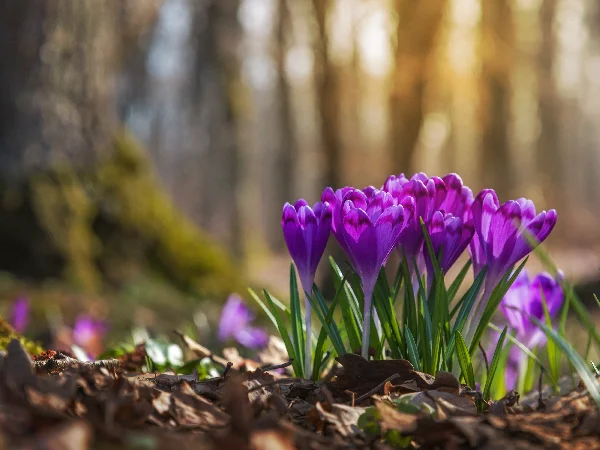
There are two types of crocus, the spring crocus and the autumn crocus. Both are toxic to your cat and should be kept away well out of reach. Signs of crocus poisoning include:
Severe vomiting
Excessive drooling
Gastrointestinal bleeding
Liver and kidney damage
Respiratory failure
Symptoms can come on immediately or can be delayed by days. Call your vet if you think your cat has eaten any of the crocus plants.
Oleander
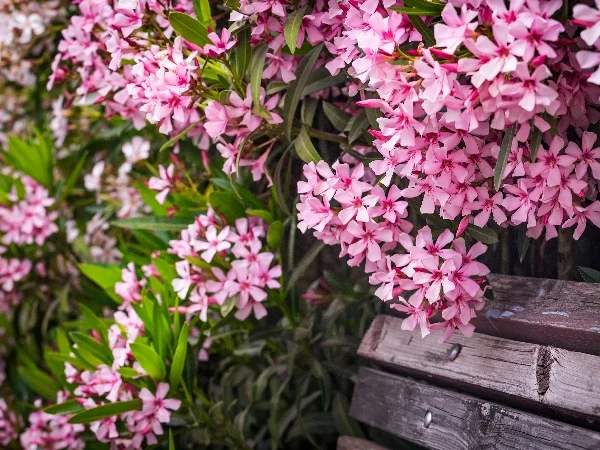
The oleander is a popular plant for gardeners because of its beauty and adaptability to poor soil, Unfortunately, it’s also toxic to cats. Swallowing this plant can lead to:
Vomiting
Heart palpitations
Dehydration
Shock
Hypertension
In severe cases, it can lead to rapid death. Seek veterinary help immediately if you believe your cat has ingested any of the oleander plant.
Indian Rubber Plant
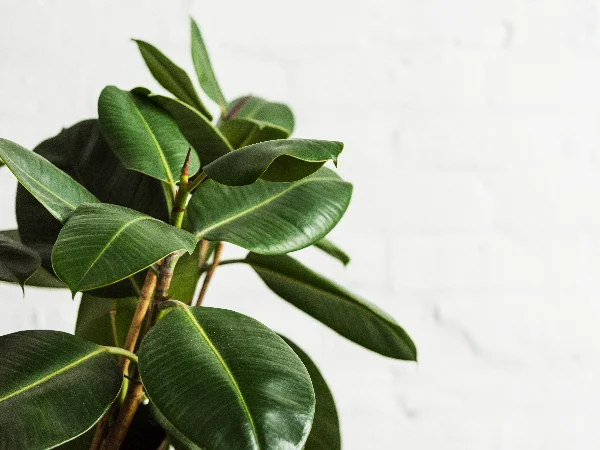
The Indian rubber plant can be found in many British homes. Unfortunately, every part of it is toxic to cats and can cause skin irritation to their mouth and gums if ingested. Clinical signs of rubber plant poisoning include:
Vomiting
Diarrhoea
Dehydration
Red and swollen gums
Thankfully, while the Indian rubber plant is toxic, it’s generally not considered deadly and your cat should make a full recovery within a day of swallowing it. That being said, you may need to visit your vet so they can treat them for the secondary problems that are associated with vomiting and dehydration.
Will cats eat poisonous plants?
Cats are intelligent yet curious animals. While they generally won't go looking for toxic plants to eat, they can still be at risk of poisoning whilst exploring. One of the biggest causes of poisoning from poisonous plants is when the pollen falls on your cat when they brush against the plant. They then ingest this whilst cleaning and grooming themselves later.
To keep your cat safe from toxic plants, it’s best to remove these plants from your home altogether.
Safe plants for cats
There are many cat-safe plants you can keep in your home, including:
Sunflowers
Orchids
Bamboo
African Violets
Roses
Spider Plant
Venus Flytrap
How to keep your cat safe from poisonous plants in the garden
Keeping your cat safe from toxic plants when they're out and about is more challenging. However, you can ensure they're safe outside by creating a cat-friendly garden by only planting shrubs and plants that are safe for your cat. However, if your garden has plants that may be toxic, then you can help keep your cat safe by:
Clearing up any prunings and trimmings straight away
Keeping an eye on your cat when in the garden together
Spraying the plants with diluted lemon, lime or orange juice. Cats dislike anything citrus
What are the signs of poisoning in cats?
There are numerous signs of poisoning in cats, although the most common include:
Drooling
Rapid or shallow breathing
Excessive drinking
Lethargy
Wobbly gait
Irregular heartbeat
Collapse
Need more advice?
To find out more about protecting your cat from poisons, have a chat with your vet.
Find your nearest vet using our find a vet page.
Visit your local vet
Find your nearest practice and register your pet today.

Medically reviewed by Lesley Moore, BA Hons BSc Hons PGCertVetEd CertVNECC RVN
Published on 15/05/2023 • Reviewed on 19/08/2024