
Overview
With a greater risk of parasites, new hazards in the garden, and a few noisy celebrations, autumn brings more than just a change of weather for our cats. By knowing what to look out for, you can make simple changes that keep your cat safe, healthy, and happily enjoying the season.
1. Fallen leaves and mould
Wet leaves might look harmless, but they can hide mould, sharp twigs, and pests like fleas or ticks. Mould spores may irritate your cat’s lungs, and swallowing any bits of food which have touched the spoiled leaves could upset their stomach. Slugs and snails hiding in leaf piles can carry lungworm, and everything they’ve touched can pass it on for over two days after contact. For peace of mind, clear garden leaves often, check your cat’s paws and coat after outdoor time, and steer them away from damp piles.
2. Slug and snail pellets
Slug pellets are often used in autumn, but many contain metaldehyde — a chemical that’s highly toxic to cats. Just a small amount can lead to drooling, tremors, seizures, or worse. Cats can be poisoned by eating the pellets, grooming fur that has touched them, or even swallowing a poisoned slug. Ferric phosphate-based pellets are a safer choice for pets and wildlife when used correctly. To protect your cat, avoid metaldehyde, secure any treated areas, and choose pet-safe options.
3. Halloween hazards (decorations, sweets, pumpkins, candles)
Halloween can be fun, but it’s worth keeping an eye out for things that could harm curious cats. Chocolate, raisins, and sweets with xylitol are all toxic, even in small amounts, and should be kept well out of reach. While cats aren’t usually drawn to sweet treats, just a nibble could lead to vomiting, tremors, or even organ damage.
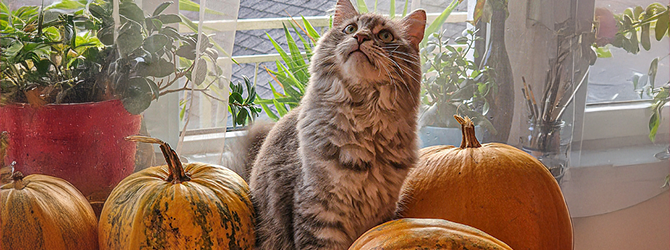
Carved pumpkins are safe in small amounts and can even be a healthy snack — but spiced pumpkins can upset your cat’s stomach, and it’s best to dispose of any pumpkins quickly once they start to rot. Candles and decorations are fine too, as long as they’re out of paw’s reach. Most cats find being dressed up in costumes to be stressful, rather than fun.
Halloween can mean lots of comings and goings at the door, with parties or trick-or-treaters. These can be stressful for cats, and also offers opportunities for escape. If you have an indoor-only cat, take special care around this time to keep them secure. Always make sure your cat’s microchip details are up-to-date. To help your cat feel calm, offer them a quiet, secure, cosy spot indoors where they can escape the noise.

Read more: What fruits can cats eat?
4. Wild mushrooms
Cats are curious by nature, and mushrooms can be tempting to sniff or chew. While not all fungi are harmful, several common types in the UK are toxic — even in small amounts. In autumn, toxic fungi, such as fool’s funnel, stinking dapperling, and flowerpot parasol, can pop up in lawns, compost or plant pots. For cat owners who live near woodlands, there are other poisonous mushrooms like the death cap to worry about. It’s one of the UK’s most dangerous species and can cause vomiting, diarrhoea, liver failure, or worse.
Symptoms of mushroom poisoning may include drooling, wobbliness, seizures, or other unusual behaviour. Because safe and dangerous mushrooms often look similar, it’s best to treat them all as a risk. Check your garden regularly, remove any you spot, and be sure to see your vet if you suspect they’ve had contact with any mushrooms. Taking a picture of the suspected mushroom is very helpful to aid identification if needed.
5. Bonfire Night and fireworks
Fireworks and sudden noises can be very stressful for cats. Loud bangs and flashing lights may cause them to run away, hide, over-groom, or toilet indoors. Stress can also make health issues worse, including bladder inflammation or flare-ups of cat flu.
To help, sound therapy in the months leading up to Bonfire Night can help a lot. This involves playing firework sounds every evening around your house, starting at a low volume. Over the weeks you’ll increase the volume, with the aim of getting your cat used to the sounds well in advance. On the night itself, keep your cat indoors throughout the fireworks, close the curtains, and play soft music or TV to soften the sound. A calming pheromone diffuser near their safe space can also help. And if they do get spooked, it helps to have them microchipped (in case they figure out a way to escape), and to give them a quiet, cosy room to retreat to.
6. Rodenticides (rat poison)
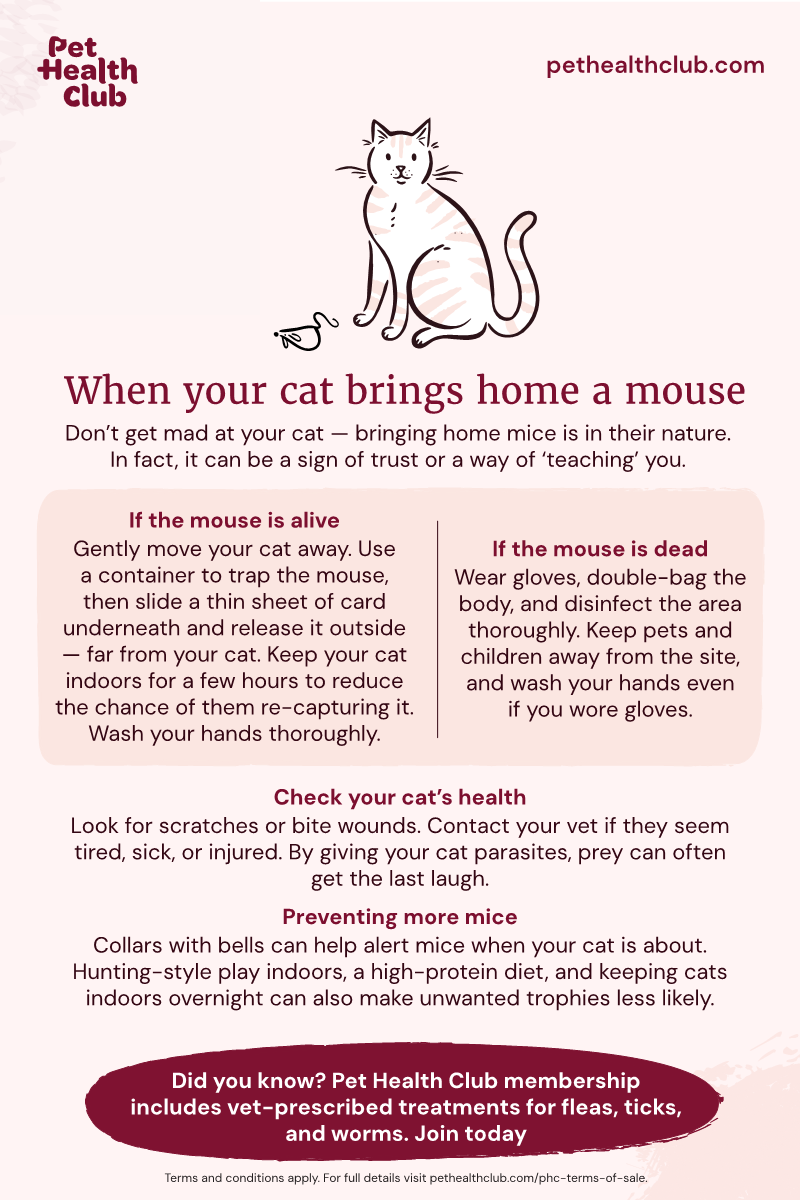
As the weather cools, rodents often move indoors — making autumn a busy time for pest problems. That means it’s also a busy time for pest control, and all rodenticides pose a risk to cats. If you or your neighbours are using rat poisons, your cat may end up exposed by touching bait or even eating a poisoned rodent. The most common type, anticoagulants, affect blood clotting and may cause weakness, pale gums, or bruising days later — and can be fatal. Newer types, like cholecalciferol (a form of vitamin D), can lead to kidney failure even in small amounts.
To keep your cat safe, avoid using rodenticides. If you have mouse or rat problems yourself, try humane traps placed well out of reach, snap traps (but only placed where your cat will definitely not be able to get near them), or ask a pest control expert for advice. Taking action early can help protect both your home and your pet.
Read more: Roundworms in cats
7. Seasonal plants (acorns, conkers, chrysanthemums, lilies)
Some autumn plants can be harmful to cats. Acorns and conkers may cause vomiting, diarrhoea, choking, or blockages if swallowed. Chrysanthemums contain natural toxins that can lead to drooling, an upset stomach or sore skin. Lilies are especially dangerous — even a lick of pollen or sip of vase water can cause kidney failure. If you think your cat has eaten something risky, contact your vet straight away. To stay safe, remove toxic plants from your garden or keep them somewhere your cat can’t reach indoors.
8. Parasites (fleas, ticks, and mites)
Even as the weather cools, autumn is a tricky time for fleas. They move indoors in search of warmth and can quickly settle in. Fleas brought in on shoes, clothes, or other pets can cause itching, skin infections, and even anaemia in kittens. Fleas can also spread tapeworms — making them a two-for-one parasite problem. Ticks carry illnesses like Lyme disease, while harvest mites — tiny orange parasites — are also a menace at this time of year, causing intense itching and sore skin. Both of these like to latch onto paws, ears, or bellies. The best defence is vet-prescribed parasite prevention, along with regular coat checks. Thankfully, Pet Health Club membership includes year-round parasite treatments tailored to your cat’s specific needs.
Read more: Mange in cats
9. Cold, dark nights
Shorter days and low light make autumn a riskier time for cats near roads — especially at dawn and dusk. A Vets Now study found more cats are injured by cars in autumn than any other season. A reflective quick-release collar can help make your cat more visible to drivers, without putting your cat in danger if it gets caught on something. Cold, damp weather may also make arthritis, breathing problems, or other common issues in senior cats worse. If your cat’s staying indoors more, keep them active with toys, window perches, and scratching posts. Try to keep them in at night, and make sure their microchip details are up to date in case they stray.
Need more advice?
If you’re worried about any of these autumn hazards, or if there's anything else concerning you or your cat, use our find a vet page to find your nearest practice. And remember, Pet Health Club membership makes your cat’s routine care as simple as it can be.
Join the club today
Get regular health checks, vaccinations, and more, all included in your plan.

Medically reviewed by Lizzie Youens, BSc(Hons) BVSc MRCVS
Published on 09/09/2025 • Reviewed on 09/09/2025