

Overview
Keeping your cat indoors protects them from traffic, other animals, and predators. Unfortunately, it doesn’t protect them from fleas. Even if your cat never sets foot outside, they can still get fleas, which is why flea protection should be part of their routine healthcare.
Do indoor cats need flea treatment?
Just because your cat or growing kitten stays indoors doesn’t mean fleas can’t get in. All it takes is one flea to start an infestation. And because indoor cats often groom themselves thoroughly, they might remove fleas before you spot them, which means an infestation could go unnoticed until it’s well underway. Regular flea treatment will keep your cat protected and provide you with peace of mind.
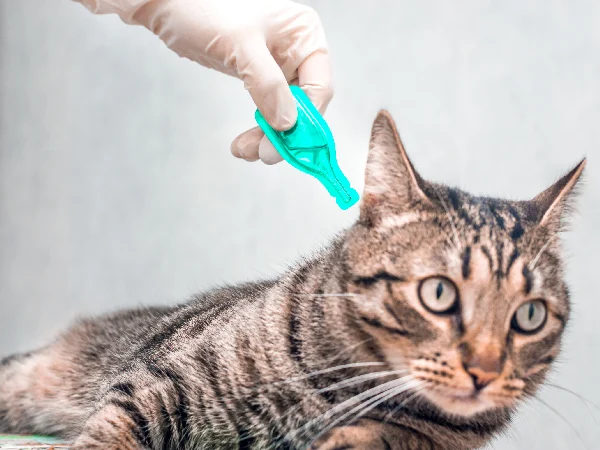
Read more: How to apply flea treatment to a cat
How can indoor cats get fleas
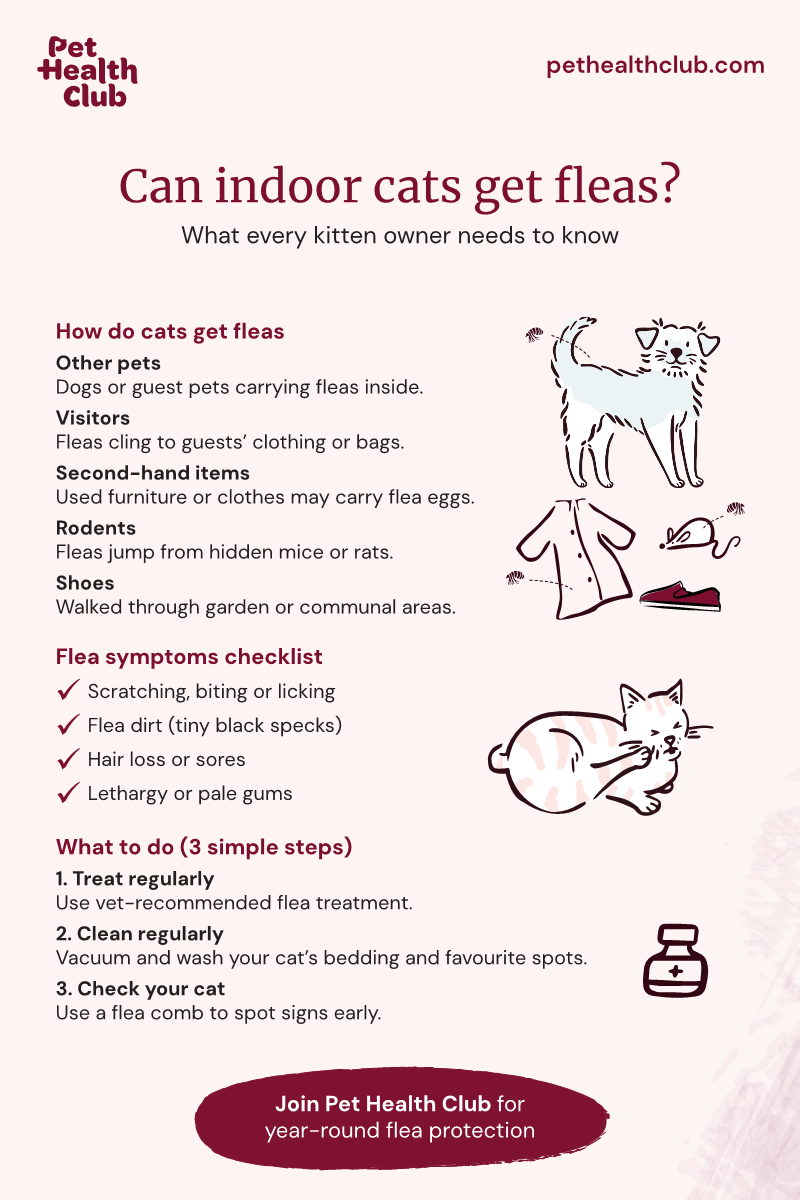
Other pets
If you have a dog or another pet that goes outside, fleas can hitch a ride on them and jump across to your indoor cat, or land on your furniture and lay eggs, initiating the start of a household flea infestation. Even pets who regularly receive anti-parasite treatment can carry fleas into the house. That’s because some preventatives kill fleas after they bite rather than repelling them, which gives fleas enough time to hop from one animal to another.
Even visiting pets, like a friend’s dog popping in for a playdate, can bring fleas into your home, especially if they’re not up to date with prevention. To prevent this, all pets in your home should be treated at the same time, all year round.
People
Fleas prefer animals as their host, but they’re not picky. If you visit someone whose pet has fleas, you could bring them back on your clothes or shoes. Fleas can jump distances of up to 19 inches, so a passing human is more than enough.
Even walking through a shared garden where wildlife has been can bring in ‘hitchhiker fleas’ — flea eggs dropped outside that latch onto your shoes or clothes and make their way inside.
Regular cleaning, including vacuuming carpets and washing bedding on a hot wash cycle, helps break the flea life cycle and lowers the risk. After visitors, a quick clean of soft furnishings and your cat’s favourite spots can help stop unwelcome guests from settling in.
Always empty your vacuum outdoors into a sealed bin. That way, you won’t risk reintroducing fleas or their eggs back into the house.
Wildlife
Mice, rats and even pigeons can carry fleas. These pests may sneak inside seeking food or warmth, especially in winter. Fleas can jump from these animals into your home and onto your cat.
Make sure all food is sealed, waste is binned straight away, and windows are shut when rooms are empty. Using screens on vents and sealing small gaps can also help keep rodents out. If you suspect a problem, speak to a professional pest controller.
If you have a garden, keep grass trimmed and avoid shaded, overgrown areas where flea eggs and larvae might thrive. This makes it harder for flea populations to establish themselves and get brought inside.
Trips outside
Even indoor cats may venture out for vet visits or a short stay at the cattery. These places do their best to stay flea-free, but no place is completely immune. When your cat comes home, give them a good brush and check for signs of fleas so you can treat them quickly if needed.
Second-hand items
Buying second-hand furniture, clothes or pet items can save money, but could bring fleas into your home. Flea eggs and larvae can hide in soft fabrics and seams. Wash and disinfect used items to kill any hidden eggs.
Moving home
Fleas can survive in carpets, cracks in floors, and between cushions, even if you can’t see them. The eggs are tiny and can fall deep into fibres, waiting to hatch once they sense warmth and movement. Flea eggs can lay dormant for months on end and still hatch once the conditions are right.
Before your cat explores your new home, give it a deep clean, especially areas where pets may have spent time. If the property had previous owners with animals, consider a professional clean or use a home-safe flea spray to be thorough.
How to tell if your cat has fleas
You might not see fleas with the naked eye, but when your cat has fleas there are often clues. Look out for:
Scratching, biting, or licking themselves
Restlessness
Hair loss or sores (often caused by flea allergy dermatitis)
Flea dirt (tiny black specks that look like pepper, often seen on the skin or bedding)
Lethargy or pale gums — a sign of anaemia in severe cases
Even a few fleas can trigger a big reaction in sensitive cats. If your cat is allergic to flea bites, one or two can be enough to cause significant discomfort.
Fleas often hide in warm, protected spots like armpits, groin, around the ears, and the base of the tail. Use a flea comb and check close to the skin, especially if your cat has thick fur.
If you’re unsure, run a flea comb through their fur, especially around the neck, underbelly, and base of the tail, and tap the comb onto a damp tissue. If black specks turn red, that’s flea dirt containing digested blood, confirming your cat has been bitten.
How often do indoor cats need flea treatment?
To keep your indoor cat flea-free, treat them regularly, usually every month or every three months, depending on the product. Always follow your vet’s advice and ensure all pets in your household are treated at the same time.
Never use flea products designed for dogs on cats, as they can be toxic. Cat flea treatments are dosed carefully based on your cat’s weight and species. Using the wrong one can be dangerous — if in doubt, ask your vet to recommend the right option.
Even kittens who haven't ever been outdoors can get fleas, and may need flea treatment — but care is needed to make sure they aren't given treatments too strong for their tiny, growing bodies. Our full guide to treating fleas in kittens covers everything you need to know.
You can make flea protection simple by joining Pet Health Club, which includes vet-prescribed flea treatments tailored to your cat’s needs.
Read more: Surprising facts about fleas
What are fleas?
Fleas are tiny parasites that feed on your cat’s blood by biting into their skin. They’re small, hardy, and incredibly fast breeders. Just one adult female flea can lay up to 50 eggs a day — that’s around 2000 in her lifetime.
As well as causing your cat to scratch, chew and lick their skin, fleas can also carry harmful diseases like tapeworm and bartonellosis (cat scratch disease). Some of these, like cat scratch disease, can even be passed to people. So it’s not just about keeping your cat comfortable, it’s about keeping your home healthy too.
Fleas love warm, humid environments. That means your centrally-heated home is the perfect spot for them to thrive during colder months.
Need more advice?
If you’re worried your cat might have fleas or want help choosing the right treatment, speak to your local vet. You can use our Find a Vet page.
Join the club today
Get regular health checks, vaccinations, and more, all included in your plan.

Medically reviewed by Lizzie Youens, BSc(Hons) BVSc MRCVS
Published on 11/04/2023 • Reviewed on 29/04/2025