

Overview
Dog sunscreen isn’t a must for every dog, but for some it can play an important role in protecting their skin. Dogs with white or light-coloured coats, pink or lightly pigmented skin, thin coats, hair loss, hairless breeds, and those who spend a lot of time outdoors or have been recently shaved are particularly susceptible to ultraviolet (UV) damage.
For these dogs, a pet-safe dog sunscreen can help protect vulnerable areas such as their ears, nose, belly, and patches with little fur, reducing the risk of sunburn and long-term skin damage. However, sunscreen is only one part of keeping your dog safe in sunny weather. Providing shade, avoiding the strongest midday sunshine, and choosing cooler times of day for walks can all help limit harmful UV exposure.
Should I give my dog sunscreen?
A dog's coat provides some natural protection from the sun, but it doesn't completely block harmful UV rays. Areas where the fur is thin or absent, such as the nose, ears, and belly, can still become sunburnt. Over time, repeated UV exposure can damage the skin and increase the risk of certain skin cancers.
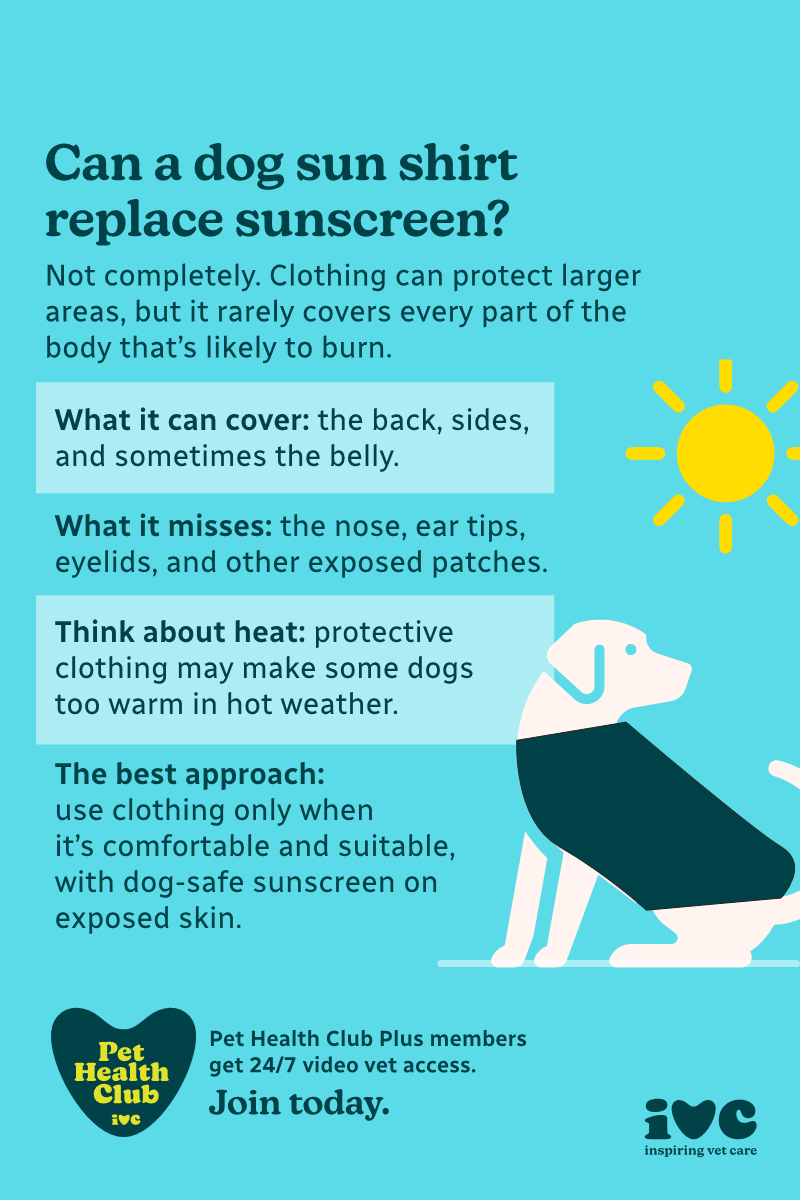
If your dog falls into a higher-risk group or spends lots of time outdoors, applying a pet-safe dog sunscreen to exposed areas can help protect their skin. For the best protection, sunscreen should be used alongside other simple measures, such as providing shade, avoiding the strongest midday sunshine, and planning walks for cooler parts of the day.
Which dogs benefit the most from dog sunscreen?
Dogs that are most likely to benefit from dog sunscreen include:
White dogs
Dogs with light-coloured coats and/or pink noses
Hairless breeds (such as the Chinese Crested)
Dogs with thin or sparse coats
Dogs with areas of hair loss
Dogs that have recently been clipped or shaved
Dogs that regularly spend long periods outdoors
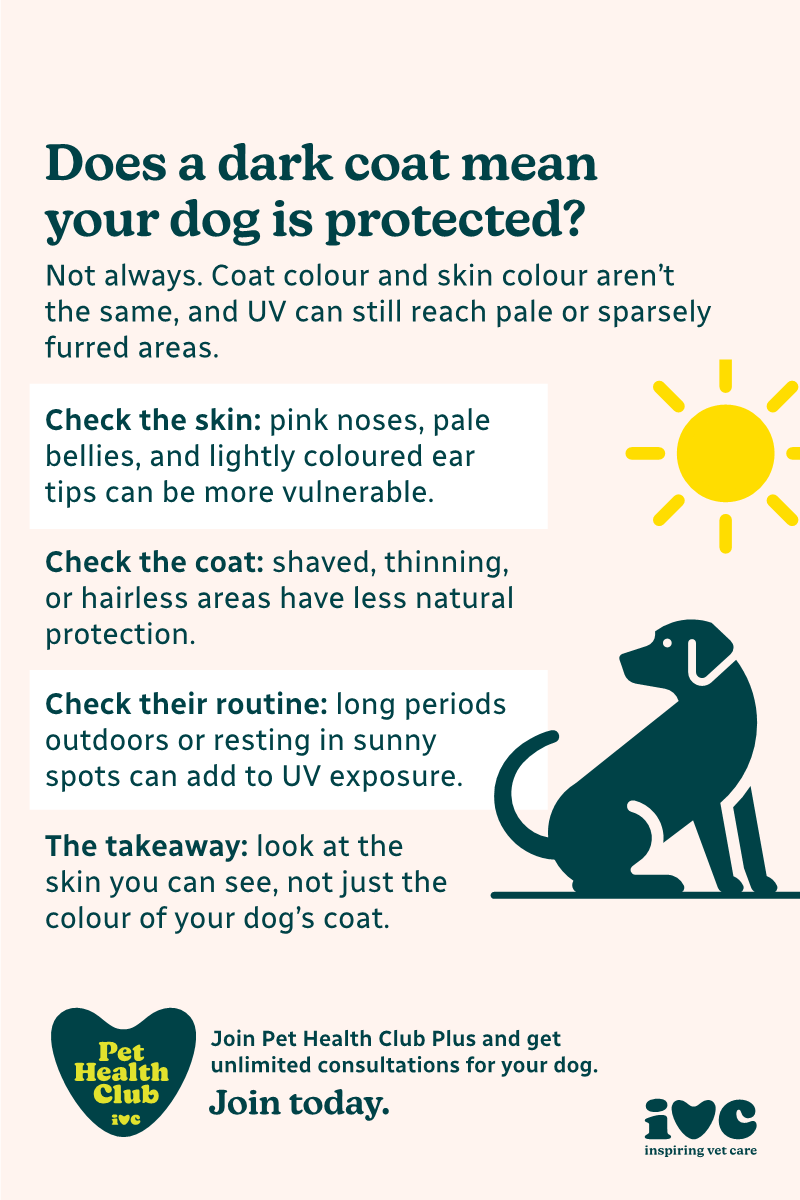
Dogs with pink noses, lightly pigmented skin, or areas where the coat is thin have less natural protection from the sun because these areas contain less melanin, the pigment that helps shield the skin from harmful UV rays. This means that even dogs with darker coats may still be vulnerable if they have exposed patches of pale skin.
How your dog spends their time matters too. Dogs that enjoy long walks, afternoons in the garden, or relaxing on sunny patios receive more UV exposure over time, increasing the risk of sun damage. The nose, ear tips, belly, groin, and other sparsely furred areas are usually the first places to be affected.
A dog's coat also acts as a natural barrier against the sun. If your dog has recently been clipped or shaved, their skin may be more exposed than usual and could benefit from extra protection. Even if your dog spends the hottest hours of the summer indoors, they might still have more UV exposure than you’d expect, particularly if they like resting near large windows or patio doors where sunlight streams in.
Read more: 11 things dog owners should never do in summer
Where do I apply dog sunscreen?
You don't need to apply sunscreen all over your dog's body. Instead, focus on the areas where the coat is thin or the skin is naturally more exposed to the sun:
Nose
Ear tips
Eyelids
Belly
Groin
Areas with sparse fur
Areas affected by hair loss
These parts of the body have less natural protection from UV rays, making them more susceptible to sunburn.
What can dog sunscreen prevent?
While dog sunscreen can't prevent every problem associated with sunny weather, it can help lower the risk of several conditions caused by repeated sun exposure.
Sunburn.
One of the main reasons to use dog sunscreen is to help prevent sunburn. A sunburnt dog may develop:
Redness
Flaking or dry skin
Crusting
Scabs
Hair loss
Blisters
Pain or sensitivity when touched
Mild sunburn may improve once your dog is kept out of direct sunlight, but more severe burns can be painful and may need vet treatment. If your dog develops significant redness, any scabs or blistering, or seems uncomfortable after spending time in the sun, it's worth speaking to your vet.
Actinic (solar) dermatitis.
Over months or years, repeated UV exposure can cause long-term damage to your dog's skin, leading to a condition known as actinic (or solar) dermatitis. Affected skin may become persistently red, dry, scaly, or crusty, and some dogs also develop hair loss or changes in skin pigmentation. Without protection from further sun exposure, these changes can gradually become more severe.
Actinic keratosis.
In some cases, long-term sun damage can progress to actinic keratosis. This condition causes rough, scaly patches to develop on sun-exposed skin and is considered pre-cancerous because the affected tissue has the potential to develop into squamous cell carcinoma over time.
Although not every case will progress, early diagnosis and treatment can help prevent more serious skin disease, which is why unusual skin changes should be checked by your vet.
Skin cancer.
Long-term exposure to UV rays can increase the risk of certain types of skin cancer in dogs. One of the most common is squamous cell carcinoma, which is most likely to develop on lightly pigmented skin or areas where the coat provides little protection from the sun.
Early signs can be easy to overlook, so it's important to keep an eye out for:
Scabs that don't heal
Persistent sores
Crusting skin
Areas of skin damage that repeatedly return
If you notice any of these changes, arrange an appointment with your vet. Detecting skin cancer early can improve the chances of successful treatment.
Although squamous cell carcinoma is the skin cancer most commonly associated with UV damage, long-term sun exposure has also been linked to other, less common cancers, including cutaneous haemangiosarcoma. While sunscreen can't eliminate the risk altogether, helping to protect your dog's skin from excessive UV exposure is an important part of reducing the likelihood of sun-related skin disease.
How do you choose a safe dog sunscreen?
Start by checking that the sunscreen is specifically formulated for pets and clearly labelled as safe for dogs. It should also provide protection against both UVA and UVB rays, with an SPF of at least 30.
If your dog loves swimming, a water-resistant formula can offer longer-lasting protection. Even so, you'll still need to reapply it as directed by the manufacturer, particularly after swimming or if the product has rubbed off.
Some dog sunscreens also contain moisturising ingredients to help keep the skin hydrated, which can be particularly beneficial for dry or sun-exposed skin. There are also products available which are safe for both dogs and cats, suitable for households with more than one pet.
Can dogs use human sunscreen?
No, it's best not to use sunscreen that's been made for people on your dog. Some human sunscreens contain ingredients that can be harmful if they're absorbed through the skin or swallowed. Instead, choose a sunscreen that's specifically formulated for pets and clearly labelled as safe for dogs.
What ingredients should you avoid?
Before buying a sunscreen, take a moment to check the ingredient list. Vets commonly advise avoiding products that contain ingredients such as:
Zinc oxide
Para-aminobenzoic acid (PABA)
If you're ever unsure whether a sunscreen is suitable for your dog, ask your local vet team for advice before using it.
Read more: Bringing your dog to the vet in hot weather
How do you apply dog sunscreen safely?
Applying dog sunscreen is usually quick and straightforward, especially if your dog is already comfortable being handled. A calm approach and plenty of positive reinforcement can help make the process easier for both of you.
Step one: check for any reactions
Before using a new sunscreen for the first time, apply a small amount to one area of your dog's skin and keep an eye out for redness, irritation, or any other signs of a reaction for 24 hours before applying it more widely.
Step two: protect exposed areas
Using clean hands, apply a thin, even layer of sunscreen to the parts of your dog's body that are most exposed to the sun, including:
The nose
The front and back of the ears
The belly
The groin
Any patches with thin fur or exposed skin
Take care around sensitive areas and avoid getting sunscreen in your dog's eyes or inside their ears. If possible, allow the product to dry for a few minutes before your dog heads outside.
Step three: keep your dog occupied
Once the sunscreen has been applied, encourage your dog to play with a toy, enjoy a treat, or practise a few simple commands. This helps stop them from licking the product off straight away and gives it time to absorb into the skin.
What if my dog doesn't like sunscreen?
Not every dog will be happy having sunscreen applied straight away, and that's okay. If your dog seems unsure, keep sessions short and positive. Offer plenty of praise and treats, and let them become familiar with the sunscreen before trying again. With a little patience, many dogs learn to accept sunscreen as part of their warm-weather routine.
If your dog remains uncomfortable with the process, or you're unsure which areas need protecting, speak to your local vet team for advice.
FAQs about dog sunscreen
What should I do if my dog licks sunscreen?
If you've used a sunscreen that's specifically designed for dogs, the risk of problems is lower. Even so, keep an eye on your dog for signs such as vomiting, diarrhoea, or unusual behaviour. If you're worried they've swallowed a large amount, or they become unwell, contact your vet and let them know which product was used.
How often should I reapply dog sunscreen?
Always follow the instructions on the product label. You may need to reapply sunscreen more often if your dog has been swimming, towel-dried, or has spent a long time outdoors.
Can puppies wear sunscreen?
Some puppies can benefit from sunscreen, particularly if they have light-coloured skin or thin coats. Choose a product that's specifically labelled as safe for dogs and ask your vet for advice if you're unsure whether your puppy needs it.
Is dog sunscreen waterproof?
Some dog sunscreens are water-resistant, but no product lasts indefinitely. If your dog enjoys swimming or gets wet, check the label to see when sunscreen should be reapplied.
Can I use cat sunscreen on my dog?
Not necessarily. Even if a sunscreen is marketed for pets, it should be clearly labelled as safe for dogs before you use it. If you're in any doubt, ask your vet for advice.
Should I shave my dog in summer?
Usually not. Your dog's coat helps to protect their skin from the sun, so shaving it too short can actually increase the risk of sunburn. If your dog needs grooming in warm weather, ask your groomer or vet about the most suitable coat length for their breed. Regular brushing to remove dead hair and keep your dog’s coat in good condition is always recommended.
Does my dog's coat protect them from the sun?
Yes, but only to a point. A healthy coat provides some natural protection against UV rays, although lightly pigmented skin and areas with little fur can still burn. Dogs with white coats, hairless breeds, or patches of hair loss are often the most vulnerable.
Can dog sunscreen prevent heat-related illness?
No. Sunscreen protects your dog's skin from UV damage, but it won't prevent heatstroke or dehydration. On hot days, provide plenty of fresh water and shade, avoid exercising your dog during the hotter parts of the day, and contact your vet immediately if you suspect heat-related illness.
What do studies say about dog sunscreen and UV exposure?
A review by Granados-Soler and colleagues found that research into sunscreen use in dogs is still limited. Studies have not yet established how well sunscreen prevents long-term UV damage or skin cancer, or provided clear guidance on the best amount to apply and how often to reapply it. This means current advice is based on what we know about UV-related disease, rather than strong evidence from long-term sunscreen trials in dogs.
The review also highlights that UV-related skin cancers can cause serious damage even when they are slow to spread to other parts of the body. They may return after treatment, and new tumours can develop in other areas of sun-damaged skin, sometimes leading to repeated surgery. Researchers are also calling for more evidence on sunscreen ingredients, as dogs may absorb products through their skin or swallow them by licking treated areas.
Want more information on dog summer care?
For expert advice on how to help your dog stay safe through summer, get in touch with your local vet.
Find your nearest vet using our Find a Vet page.
Join the club today
Get regular health checks, vaccinations, and more, all included in your plan.

Medically reviewed by Lizzie Youens, BSc(Hons) BVSc MRCVS
Published on 03/08/2026 • Reviewed on 03/08/2026