
Overview
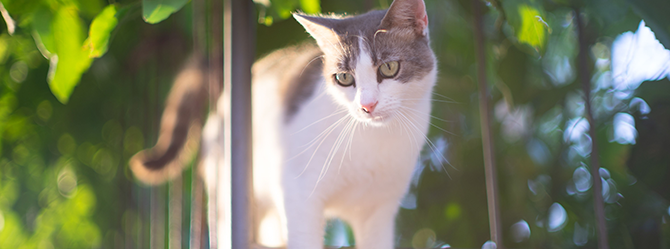
Some cats can benefit from cat sunscreen. Cats with white fur, light-coloured skin, thin fur, hair loss, or hairless breeds are more vulnerable to sunburn and long-term sun damage. Using a pet-safe cat sunscreen on exposed areas such as the ears and nose can help protect their skin and reduce the risk of serious conditions, including certain cancers. Sunscreen works best alongside other sun safety measures, including access to shade and giving your cat freedom to avoid the strongest midday sun.
Should I give my cat sunscreen?
Many cats enjoy stretching out in a sunny spot, but too much sun can be harmful. Cats can get sunburn just like people. Although their fur provides some protection, areas with little or no fur remain vulnerable to ultraviolet (UV) rays. Repeated sun exposure can damage the skin, causing inflammation, discomfort, and increase the risk of skin cancer later in life.
For cats that are most at risk, cat sunscreen can provide valuable protection. Applying a pet-safe sunscreen to exposed areas such as the nose, ear tips, belly, and other sparsely furred skin can help prevent sunburn and reduce the risk of long-term damage.
Not every cat will need sunscreen. However, if your cat spends time outdoors, enjoys sunbathing, or has light-coloured skin and fur, it's worth considering sun protection as part of their routine.
Which cats benefit the most from cat sunscreen?
Any cat can develop sunburn, but some are more vulnerable than others. Cats at higher risk include:
White cats
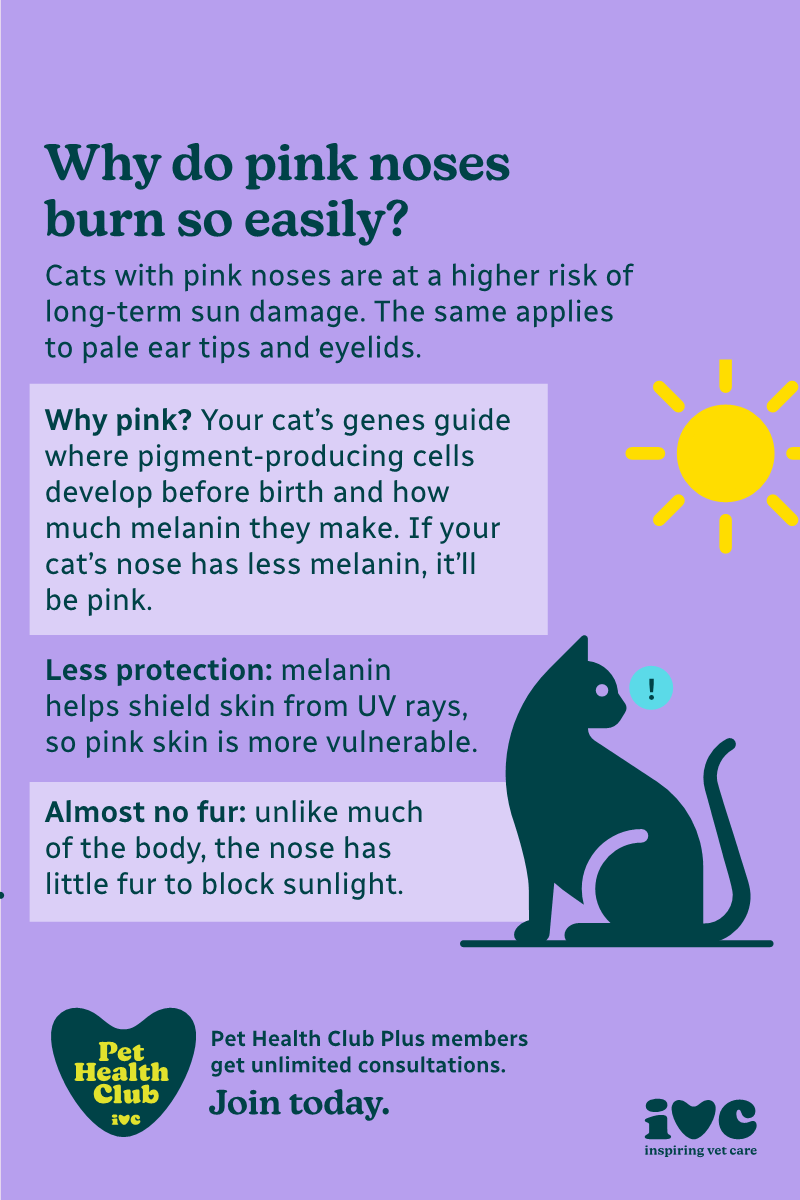
Cats with light-coloured ears and/or pink noses
Hairless breeds
Cats with thin fur
Cats with areas of hair loss
Cats that have been shaved for medical reasons
Cats that spend long periods outdoors in sunny weather
While white cats are often highlighted as being particularly vulnerable, it's not just coat colour that matters. Cats with pale ears, pink noses, or lightly pigmented skin can also be at increased risk, even if the rest of their coat is darker. This is because lighter skin contains less pigment, making it less able to protect itself from harmful UV rays.
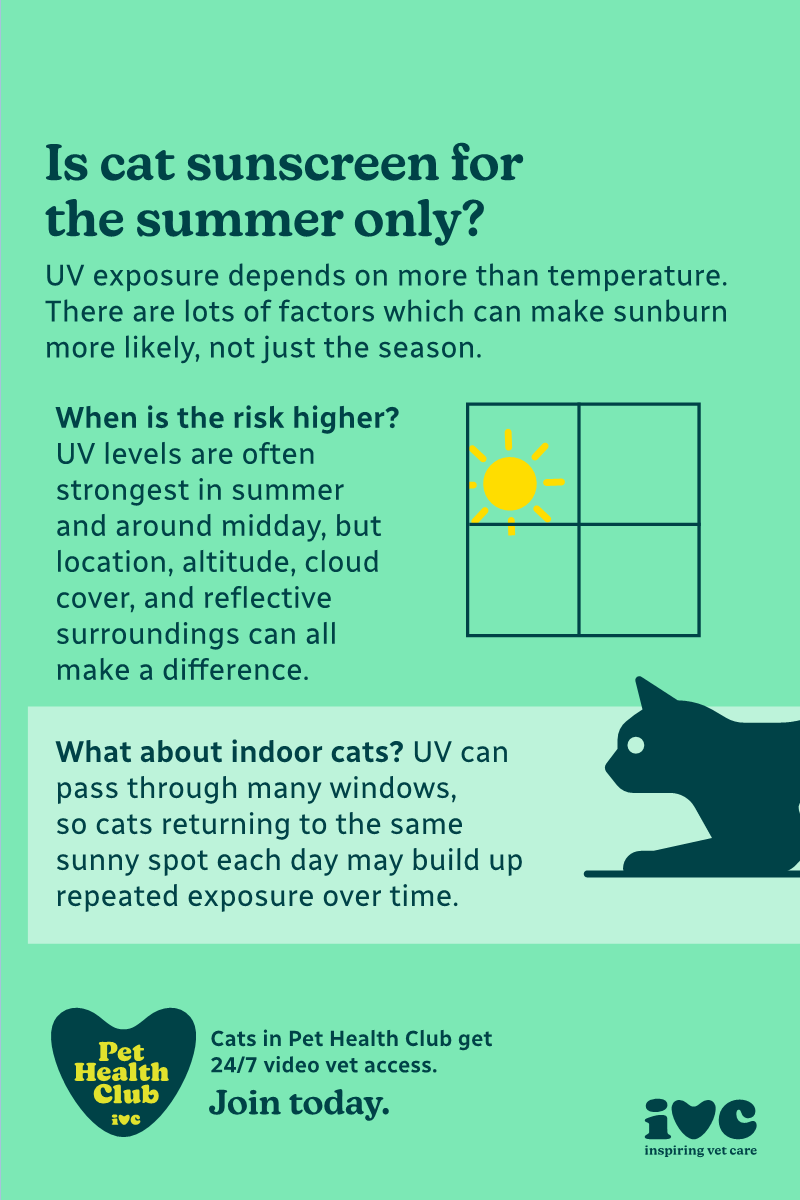
Outdoor lifestyle can also play a role. Cats that spend lots of time outside during the day are exposed to more sunlight over months and years, increasing the amount of UV damage their skin accumulates. Areas with little fur, particularly the ear tips and nose, are often the first places affected.
It's not only outdoor cats that need consideration. Many cats spend hours sleeping in sunny windows or on windowsills. Because ordinary household windows don’t always block harmful UV rays, indoor cats can also experience regular sun exposure over time, particularly if they favour the same sunny spot every day.
Read more: 12 things cat owners shouldn't do over summer
Where do I apply cat sunscreen?
Sunburn tends to affect the parts of a cat's body where fur is thin or absent. The areas most commonly in need of protection include:
Ear tips
Nose
Eyelids
Belly
Groin
Areas with sparse fur
Areas affected by hair loss
These exposed areas are more vulnerable because UV rays can reach the skin more easily.
What can cat sunscreen prevent?
While sunscreen can't eliminate every risk associated with sun exposure, it can help reduce the likelihood of several sun-related skin conditions.
Sunburn.
The most immediate benefit of cat sunscreen is helping to prevent sunburn. Although your cat's fur offers some protection, exposed areas such as the ears, nose, eyelids, belly, and other sparsely furred patches can still burn. Signs of sunburn can include:
Redness
Flaking or dry skin
Crusting
Scabs
Hair loss
Blisters
Pain or sensitivity when touched
If your cat develops any redness, irritation, blistering, or appears uncomfortable after being in the sun, it's worth checking with your vet. Severe sunburn can be very painful and may require treatment.
Actinic (solar) dermatitis.
Repeated exposure to UV rays can also lead to actinic dermatitis (sometimes called solar dermatitis). This long-term inflammatory skin condition most commonly affects lightly pigmented areas such as the ear tips, nose, and eyelids. Early signs often include persistent redness, scaling, crusting, and hair loss. Without protection from further sun exposure, the skin damage can gradually worsen over time.
Squamous cell carcinoma.
One of the most serious conditions associated with long-term sun exposure is squamous cell carcinoma, a common skin cancer in cats that usually develops on areas with little fur, particularly the ears and nose. Early warning signs can include:
Scabs that do not heal
Persistent sores
Crusting skin
Areas of skin damage that keep returning
Early diagnosis can make a significant difference to treatment outcomes, so any persistent skin changes should always be assessed by your vet. While no sunscreen can completely eliminate the risk of skin cancer, protecting your cat from repeated UV exposure can help reduce the risk.
Read more: Bringing your cat to the vet during hot weather
How do you choose a safe cat sunscreen?
Choosing the right product is just as important as applying it. Only use sunscreen that has been formulated for pets, has an SPF of at least 30, protects against both UVA and UVB, and is specifically labelled as safe for cats. Some products also contain ingredients that help moisturise the skin and support hydration, providing additional skin health benefits alongside sun protection. If your cat is fond of swimming, it’s worth looking for a water-resistant one too (but be ready to reapply it as advised by the manufacturer).
Many pet sunscreens can also be used across different exposed body areas and, in some cases, on multiple animal species, making them a convenient option for multi-pet households.
Can cats use human sunscreen?
No, always use a sunscreen specifically stated to be suitable for pets. Human sunscreen can contain ingredients that are harmful if absorbed through the skin or swallowed during grooming. Because cats regularly lick their fur, products designed for people can pose additional risks.
What ingredients should you avoid?
Different products vary, but vet organisations commonly advise avoiding ingredients that may be harmful to pets, including:
Zinc oxide
Para-aminobenzoic acid (PABA)
When choosing a product, check the label carefully and speak to your local vet team if you're unsure.
How do you apply cat sunscreen safely?
Some cats accept sunscreen immediately. Others need a little patience. The key is to introduce the process gradually and make it a positive experience.
Step one: patch test first.
Before applying a new sunscreen widely, test a small amount on one area of skin and monitor for redness, irritation, or other reactions for 24 hours before applying more widely.
Step two: apply a thin layer.
Apply a thin layer of sunscreen to vulnerable areas such as:
The front and back of the ears
The nose
The belly
The groin
Any patches with thin fur or exposed skin
Be gentle, particularly around sensitive areas such as the ears.
Step three: use treats and distraction.
After application, give your cat a bit of a fuss and distract them with:
Treats
Playtime
Toys
This helps prevent them from immediately grooming the product away and gives the sunscreen time to absorb.
What if my cat hates sunscreen?
Take things slowly. Many cats benefit from a gradual introduction. Start by showing them the sunscreen container while offering treats. Once they're comfortable, gently touch the areas where sunscreen will be applied before progressing to full application. Patience and positive reinforcement can make the process much easier. If you're struggling to apply sunscreen safely, speak to your vet for advice.
FAQs about cat sunscreen.
What should I do if my cat licks sunscreen?
If you're using a product specifically designed for cats, the risk of problems is lower. However, monitor your cat for signs such as vomiting, diarrhoea, or unusual behaviour. If you notice any symptoms, or if you're concerned about how much product they may have swallowed, contact your vet team and tell them which product was used.
Can indoor cats get sunburn?
Yes. UV rays can pass through many windows, so indoor cats that spend periods sunbathing on windowsills may still be at risk.
How often should I reapply cat sunscreen?
Follow the instructions on the product label, as different sunscreens have different recommendations. If your cat spends extended periods outdoors, or the product is rubbed or groomed away, you may need to reapply it more frequently.
Can kittens wear sunscreen?
If a kitten is at risk of sunburn, only use a sunscreen that is specifically labelled as safe for cats, and speak to your vet if you're unsure which product is appropriate. Young animals have sensitive skin, so it's always best to seek advice before using a new product.
Is cat sunscreen waterproof?
Some pet sunscreens are water-resistant, while others aren't. Check the product label before use and reapply as directed, particularly if your cat has been in water or the product has been removed through grooming.
Can I use dog sunscreen on my cat?
Not always. Even if a sunscreen is marketed for pets, you should check that it's specifically labelled as safe for cats before applying it. Cats groom themselves much more than dogs, so products need to be suitable if small amounts are ingested.
Will my cat groom all the sunscreen off?
Cats may try to groom after sunscreen is applied, which is why it's helpful to distract them with treats or play for a few minutes afterwards. Using a sunscreen that's specifically designed for cats also means it's safer if they do lick small amounts.
Can cat sunscreen prevent heat-related illness?
No. Cat sunscreen helps protect your cat's skin from UV damage, but it won't prevent heat stroke or dehydration. On hot days, make sure your cat has access to shade, fresh water, and a cool place to rest. If your cat shows signs of heat-related illness, call your vet immediately.
What do studies say about cat sunscreen and UV exposure?
A review by Granados-Soler and colleagues found that cat-specific sunscreen research is still very limited. Studies have not yet established how well sunscreen prevents long-term UV damage in cats, or provided clear guidance on the best amount to apply and how often to reapply it. This means current advice is based on what we know about UV-related disease, rather than strong evidence from sunscreen trials in cats.
The review also highlights that UV-related skin cancers can cause serious damage even when they are slow to spread to other parts of the body. They may return after treatment, and new tumours can develop in other areas of sun-damaged skin, sometimes leading to repeated surgery. Researchers are also calling for more cat-specific evidence on sunscreen ingredients, as cats may absorb products through their skin or swallow them while grooming.
Want more information on cat summer care?
For expert advice on how to help your cat stay safe through summer, get in touch with your local vet.
Find your nearest vet using our Find a Vet page.
Join the club today
Get regular health checks, vaccinations, and more, all included in your plan.

Medically reviewed by Lizzie Youens, BSc(Hons) BVSc MRCVS
Published on 03/08/2026 • Reviewed on 03/08/2026