

Overview
Routine check-ups for dogs are as important for their overall wellbeing as vaccinations and flea and worm treatments.
That’s because they provide lots of important insights about a dog’s health and, crucially, are designed to spot problems before they become serious.
There are two types of pet health check ups for dogs:
Wellness screening or early detection tests, which are designed for adult dogs
Six-monthly examinations, which are recommended for all dogs, regardless of age
What is wellness screening?
Wellness screening gives vets and vet nurses the opportunity to assess dogs for any potential or underlying health issues. Early detection means they can start treatment sooner to prevent or slow disease progression. This helps our pets live longer, healthier and happier lives. Examples of diseases that can be detected at a wellness screening appointment include liver and kidney disease, diabetes and high blood pressure.
What’s the difference between wellness screening and a routine check-up?
Wellness screening, which is specifically for dogs aged five and over (or three and over for giant breeds), is a more comprehensive medical MOT that looks at blood, blood pressure and a detailed urinalysis among other things. Adult dogs should have a wellness screening once a year.
Younger dogs and puppies are recommended to have routine check-ups every six months. Those on a preventative health plan, such as Pet Health Club, get these twice a year as part of their subscription.
Read more: Why your dog could use a pet health check
What’s covered in a wellness screening?
These dog health checks will typically include:
Physical exam
Clinical history
Wellness blood screening profile
Urine screening
Blood pressure measurements
Physical exam
The vet nurse will look at your dog's appearance to check they have a normal gait, are bright and alert, and have a healthy coat and skin. They will also check your dog's head and neck, carefully examining their teeth, eyes and ears to spot potentially early signs of gum disease, cataracts and ear infections. Your dog will be weighed and their limbs and joints will also be examined for any abnormalities, swelling or tenderness.
Clinical history
Details of your dog’s clinical history, such as any treatments or surgeries they’ve had, drugs they’ve been prescribed and their vaccination status, will all be looked at during a wellness screening. Everything the vet nurse finds will be recorded in your dog’s clinical records.
Blood test
Blood tests in dogs provide vets and vet nurses with information they often can’t spot during a physical exam. For example, a blood serum test might show a deficiency in albumin levels, which could point to liver issues, while high blood urea nitrogen levels might be a sign of kidney, liver or heart disease.
These tests are particularly useful for assessing the health of older dogs.
To take a blood test, your vet will shave a small part of your dog's leg or neck and insert a needle into the vein, like human blood tests. Most dogs seem perfectly content with this happening, so anaesthetic is unnecessary.
Urine tests
A urine test, known as urinalysis, is a great way of assessing your dog’s health, particularly their organs. It can detect blood, protein or sugar in the urine, all of which might suggest an underlying problem.
For example:
Blood – could be an early indicator of inflammation, infection and bladder or kidney stones
Protein – a positive test may be indicative of kidney disease or a bacterial infection
Sugar – may flag up potential diabetes
Those assessing your dog’s urine will look at its colour, clarity and odour as well as pH levels. If the results show an unusual acidity, more tests are likely to follow as it could indicate an infection or metabolic disease. Find out how to get a urine sample from a dog with our handy guide.
Blood pressure
High blood pressure, known as hypertension, can be easily measured in the clinic using a small cuff placed on your dog's leg or tail. While it’s not common in dogs, it can occur because of kidney disease or as a side effect to certain medications.
Hypertension is a silent illness with very few clinical signs. However, regular blood pressure readings will help find issues before your dog's heart, kidneys and general wellbeing are affected.
Read more: How to collect a urine sample from your dog
What’s covered in regular six-monthly check-ups?
During a routine six-monthly health check your dog will be given a thorough, hands-on examination, hopefully to nip any developing health issues in the bud, or to identify conditions that may need treatment.
Six-monthly check ups are provided to Pet Health Club™ members as part of their subscription. Your vet or vet nurse will check your dog’s:
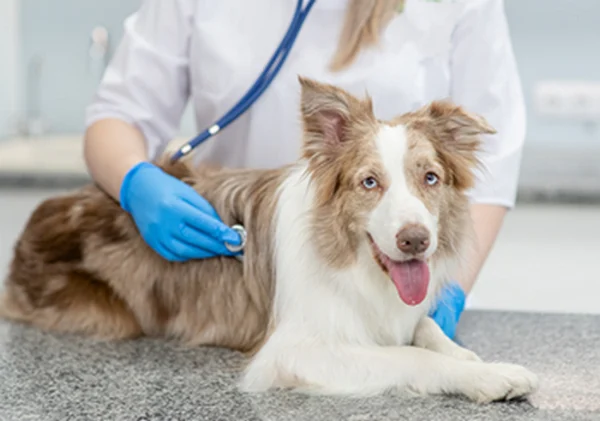
Lungs, using a stethoscope
Heart, to detect any heart murmur or irregular heartbeat
Stomach, for swelling, pain or abnormalities
Temperature
Teeth and gums to check for tartar and give advice on tooth brushing or any further treatment that may be needed
Joints, for normal movement
Genitals, for discharge or abnormalities
What are the benefits of routine health checks?
Routine check ups look for early signs of possible issues. Catching these early means vets and vet nurses can provide care straight away — and also give tailored lifestyle advice.
Not only should this help your dog live a longer, healthier life, it should also reduce the risk of needing expensive treatment in the future.
How often should my dog have a check up?
Your dog should have a routine health check every six months from puppyhood. For adult dogs, we recommend having a wellness screening annually, on top of their six-monthly check.
Do I need to prepare in advance?
For wellness screening appointments, you should ensure your dog doesn’t eat any food for 12 hours beforehand (they are allowed water). You will also be asked to bring a urine sample. It would be helpful if the person attending the appointment was familiar with your dog’s health, habits and routine.
How long will it take to receive results?
For wellness screening appointments, positive results are usually emailed or sent by text within 10 days. If a wellness screening or routine check-up reveals any potential health issues, your vet or vet nurse will call you to discuss next steps.
What happens if the health check shows a potentially serious issue?
If a health check or wellness screening reveals a potential problem, your vet or vet nurse will get in touch to discuss the seriousness as well as all available treatment options and potential costs. They will help you decide on the best and most cost-effective plan to treat your dog.
How much does a health check cost?
Six-monthly health checks are free for Pet Health Club members. Wellness screening for adult dogs costs £95, but members of Pet Health Club receive up to a 20% discount.
Can routine dog health checks save me money?
These tests are designed to serve as an early warning system, flagging potential illnesses at an early stage. This often allows them to be treated quickly and easily. When undiagnosed health problems become more severe, they may require expensive emergency treatment or corrective surgery.
Should all breeds have regular health checks?
Yes, although not all breeds are created equally. For example, brachycephalic, or flat-nosed dogs such as French bulldogs and pugs, are more likely to suffer from breathing difficulties and eye problems, so it’s important they’re checked regularly. Giant breeds (over 45kg) are also prone to developing early-onset health issues such as degenerative joint disease and arthritis.
How do I book a wellness screening or health check?
Contact your practice here, and remember to ask about Pet Health Club as six-monthly health checks are included in the subscription while members also get up to 20% off wellness screening.
The importance of annual vaccinations for your dog
Most vets believe the protective benefits of dog vaccination far outweigh any risks involved. If you’re planning a holiday and want to leave your dog in kennels or take them with you overseas, your dog will need to be up to date with annual booster injections for distemper, canine hepatitis, leptospirosis and canine parvovirus as well as a kennel cough vaccination.
Your vet or vet nurse should be able to give your dog their annual injections at the wellness screening or routine health check-up, so do remember to mention this when you book the appointment.
Finally, your dog’s routine check-up is your chance to ask your vet any questions about diet, behaviour, toilet training and general health. You can, of course, call your vet for advice any time you have a question or concern.
Join the club today
Get regular health checks, vaccinations, and more, all included in your plan.

Medically reviewed by Laura Playforth, BVM&S MSc Adv (Open) MRCVS
Published on 20/07/2018 • Reviewed on 24/01/2025