

Overview
If your puppy won’t stop biting, even though you’ve tried everything, you’re not alone. It’s one of the most common (and frustrating) parts of raising a young dog. But don’t worry. With gentle, consistent training and a better understanding of why puppies bite, you can calm the chaos and help your puppy grow into a gentle companion.
Why your puppy might keep biting
Puppy biting is perfectly natural. But when it feels constant or even aggressive, there’s usually a reason. Here are the most common ones:
Teething pain - As a puppy’s baby teeth start to come through, or when they lose their baby teeth to make way for adult teeth, their mouth will feel strange, and probably sore. Their natural response to this will be to put their teeth to work, which often means chewing or biting anything and everything.
Playfulness - When puppies are first born, biting is a key part of how they interact with their mother and their littermates. If they accidentally bite too hard, their mother (or sibling) will quickly let them know, making them less likely to do it again. In other words, they learn by a trial-and-error-like process. As a result, they may associate biting with playtime and may bite you when trying to get you to play with them.
Exploring - A puppy’s mouth is like a baby’s hands. They explore their world by biting and mouthing
Frustration - Puppies may bite if they want something they can’t have, or if they’re hungry or tired.
They’re defending themselves - Puppies may bite if they feel the need to defend themselves.
Attention-seeking – If biting gets a big reaction from you, they may keep doing it.
Tiredness or overstimulation – Just like toddlers, puppies can become bitey when they’re overexcited or overtired.
Fear or anxiety – If they feel unsure or overwhelmed, biting can be a way to cope.
If your puppy growls, stiffens, or bites hard and doesn’t let go, it could be fear-based aggression. Speak to your vet to rule out pain or refer you to a qualified behaviourist.
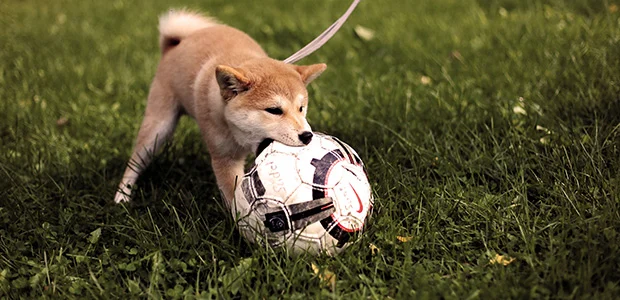
What to do when your puppy won’t stop biting
So biting is a behaviour that’s built in to your puppy naturally, and something they do to their littermates when they’re playing. But how do you stop it once you’ve brought your new puppy home?
Here are the most effective steps to stop persistent biting:
Teach bite inhibition
Let out a gentle “No bite” in a calm, clear tone if your puppy bites too hard. Then stop play for a few seconds. This mimics how littermates teach each other to be gentle.
Use time-outs carefully
If your puppy keeps biting after a warning, calmly leave the room or place them in a safe, quiet space for 30–60 seconds. Return when they’re calm. This helps them link biting to the end of fun.
Redirect their attention
Always keep a toy nearby. When your puppy goes for your hand or foot, calmly swap in the toy. When they chew it, praise them. This teaches what’s okay to bite.
Reward calm behaviour
Praise your puppy or offer a treat when they play gently or settle down. Positive reinforcement works much better than punishment, and builds your bond too.
Give them plenty of exercise
Physical and mental stimulation can reduce biting. Walks, training games and puzzle feeders all help. A tired puppy is less likely to nip.
Avoid rough play and punishment
Rough-and-tumble games, or telling off your puppy harshly, can make biting worse. Keep play calm and positive. Never smack or shout.
Let them socialise
Veterinary-led puppy socialisation classes, or safe play with other friendly dogs, can teach them bite control in a natural, gentle way.

Tried everything? Here’s what works long-term
If you feel like you’ve run out of options, don’t give up. Focus on these key steps each day:
Stay consistent with your reactions
Keep toys to hand
Walk and train regularly
Use calm time-outs when needed
Praise what you want to see more of
Build an understanding of your puppy's body language and behaviours
Be patient – most puppies grow out of it by 6–7 months
Checklist to stop your puppy biting
Say “No bite” calmly and pause play
Use time-outs calmly
Swap your hand or foot for a toy
Praise gentle behaviour
Provide exercise and mental stimulation
Avoid rough play
Let them socialise
Ask for help if biting doesn’t improve
Ensure your puppy gets enough rest
Need more info on puppy biting?
Biting can feel endless in the moment, but it’s usually a short-lived phase. With a bit of knowledge, consistency and patience, you’ll help your puppy learn how to play gently and safely. If your puppy growls, snarls, or bites hard regularly, or if you’ve followed advice but nothing’s working, it could be time to speak to a professional.
You can find your nearest vet using our Find a Vet page. They’ll also be able to recommend a qualified dog trainer or behaviourist if appropriate. If you're a new puppy owner, our complete puppy checklist covers all the essentials for raising a well-behaved dog.
Join the club today
Get regular health checks, vaccinations, and more, all included in your plan.

Medically reviewed by Danni Newport, RVN
Published on 17/06/2025 • Reviewed on 17/06/2025