

Overview
Brucellosis is a bacterial disease caused by Brucella canis. It affects dogs of all breeds and ages, with unneutered breeding dogs at highest risk. It can also be passed on to humans. Until recently, Brucella canis was not reported in the UK. However, since 2020, cases have increased, mostly linked to imported dogs or their offspring.
Brucellosis causes, amongst other things, infections in the uterus of female dogs. In male dogs, signs may include infertility, enlarged or swollen testicles (epididymitis), scrotal dermatitis, and eventual testicular atrophy if untreated.
What causes brucellosis in dogs?
Brucellosis in dogs is caused by the bacteria Brucella canis. This bacteria was first discovered in the mid-1960s after an investigation into miscarriages of pregnant beagles. It can also spread to cattle, sheep and humans.
Brucellosis symptoms in dogs
In dogs, infection with Brucella canis might not always lead to clear clinical signs. In some cases, it can cause a variety of symptoms that vary in severity. Because brucellosis affects the reproductive organs, male and female dogs have different symptoms.
In female dogs, the most common signs of brucellosis infection are:
Stillbirths
Late miscarriages
Infertility
Inflamed uterus
Giving birth to weak puppies
If your dog has miscarried because of brucellosis, it’s likely there will be discharge from their vagina in the following days and weeks. Unfortunately, this discharge will most likely return during any later pregnancies.
Male dogs show different symptoms. These may be easier to spot than female symptoms as they affect the testicles and can be seen without medical intervention. Their symptoms include:
Infertility
Swollen testicles
Skin rash around the scrotum
Male dogs who have had the infection for a long time without treatment might end up with shrunken testicles. Their testicles may even begin to waste away.
Some symptoms can affect both sexes, and your dog may show some, or none, of these:
Discospondylitis (inflammation of the spinal discs)
Tiredness
Premature ageing
Swollen lymph nodes
Back pain
Difficulty walking
Eye and kidney infections
How is brucellosis spread in dogs?
Canine brucellosis is mainly spread through close contact with infected breeding dogs. This can occur during mating or when dogs come into contact with infected bodily fluids, such as semen, vaginal discharge, and birthing fluids.
While spread is most likely via reproductive fluids during mating or birth, the bacteria can also be found — though less commonly — in urine, saliva, nasal secretions and blood. For example, transmission through licking infected bodily fluids is possible but less likely compared to direct contact during breeding.
In the UK, most reported cases of Brucella canis have involved dogs that were either directly imported or had significant interactions with imported dogs. This includes dogs that have mated with an imported dog, those that have come into contact with the birthing products of an imported dog, or puppies that are the offspring of an imported dog.
Can humans catch brucellosis from dogs?
Canine brucellosis can spread to humans although this is rare. Vets, pet owners and breeders are most at risk when helping an infected dog give birth, which is why vets must wear effective PPE when treating dogs suspected of having the disease. Transmission to humans is rare, but has occurred, especially after contact with birthing fluids or during laboratory procedures. There have been two confirmed UK cases since 2022. Certain groups, including children under five, the elderly, and individuals with weakened immune systems, are more vulnerable and may experience more severe symptoms if they contract the disease.
Symptoms of human brucellosis include:
Fever
Headaches
Lower back pain
Dizziness
Joint and muscle pain
Fatigue
Loss of appetite
Case study
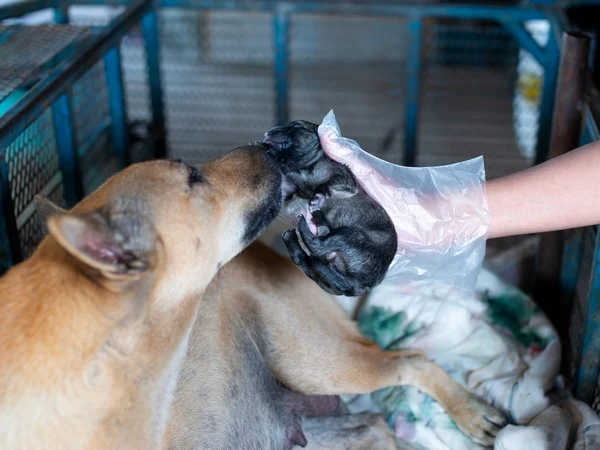
Grandmother Wendy Hayes lost all five of her dogs to brucellosis after fostering a pregnant dog from Belarus. She also caught the disease herself — which is very rare — soon after Moosha miscarried, losing all 10 of her puppies. Three of Wendy’s four dog’s later tested positive for brucellosis.
All five dogs were put to sleep to help stop the spread of the disease, leaving Wendy heartbroken. She’s now calling on the government to ban all imports of dogs until the risks from brucellosis are reduced.
Canine brucellosis treatment
Brucellosis in dogs is very difficult to treat. Antibiotics can control the infection, but no cure or treatment is 100% effective. Unfortunately, there is no effective cure for Brucella canis. Euthanasia is the only certain way to eliminate the infection and prevent further transmission.
Owners who do choose to treat their dogs — which is not recommended — may decide to spay or neuter them, especially if they’re female, as this helps remove the most traumatic symptoms of the disease. Neutering also reduces how much they can 'shed' the bacteria, reducing the chances of passing it on to other dogs. Isolating your infected dog will also help reduce the spread of infection.
Treatment may reduce bacterial shedding, but the infection is typically lifelong. Neutering and long-term antibiotics (e.g., doxycycline and rifampin) can help manage the disease, though relapses are common. But even if you do opt to go down this route, your dog will still need regular blood tests to monitor the infection, and it's important to note that antibiotic treatment may reduce the risk of spreading the infection but may not clear the Brucella canis infection completely. Your vet will be able to guide you through this.
Canine brucellosis prevention
Spaying or neutering reduces the risk of spreading infection but does not prevent dogs from becoming infected or eliminate existing infection. If you do want to breed your dog, you should ensure they’re tested for brucellosis and other diseases.
Brucellosis vaccine for dogs
No vaccine for brucellosis is currently available, and treatment can be long and expensive with no guarantee of success.
How common is brucellosis in dogs?
Brucellosis is rare in the UK and up to early 2021, around 40 cases in dogs had been reported. The vast majority of dogs testing positive are believed to have acquired the infection outside of the UK, but we do not know this for certain. The first dog-to-human case was reported in March 2022, when Wendy Hayes contracted B canis and was hospitalised for two weeks.
How do vets test for brucellosis in dogs?
There are, unfortunately, no tests for brucellosis in dogs that are 100% accurate. Blood samples may not always contain traces of the bacteria. PCR and culture can detect Brucella canis in specific tissues, but serology remains the most reliable screening tool. Testing is often repeated due to the potential for delayed antibody production.
In most cases, experts recommend serological testing. These look for antibodies — proteins that can fight off infections — in blood. With brucellosis, these antibodies are usually produced within two weeks of infection but can take up to three months, and sometimes infected puppies may not produce them at all.
Due to the lack of reliable testing methods, your vet will also ask about your dog's symptoms, their recent movements and whether they’ve come into contact with other dogs in recent weeks and months. This comprehensive approach helps in making a more informed diagnosis.
For dogs showing specific clinical signs that raise suspicion of brucellosis, especially those with a history of importation or contact with imported dogs, testing becomes even more crucial. Diagnosis usually involves a two-step serological testing approach. If one or both tests are positive, further confirmation with additional tests or repeat testing may be advised. A positive result in either test indicates a serologically positive case, while negative results in both tests suggest a serologically negative case.
How much does brucellosis testing cost?
There’s no set price in the UK for brucellosis testing, although you can expect to pay upwards of £100 for the first test.
I’m worried my dog has brucellosis, what should I do?
Speak to your local vet using our find a vet function. Your vet will arrange for testing to be carried out. If your dog tests positive for Brucella canis, by law the case must be reported to the Animal and Plant Health Agency. You should also report the infection to your local health protection team.
In which countries is brucellosis found?
Brucella canis is considered endemic in southern parts of the USA, Mexico, Central America, and South America. Numerous cases have been reported in China, India and Japan, and it’s also found in Canada.

This map shows which countries have reported brucellosis infections by frequency. Regions in grey represent countries with no proper surveys into the disease. Figures accurate as of March 2021. Credit: Renato L. Santos
In Europe, countries with large stray dog populations are believed to have the highest prevalence of the disease. Concerns have been raised about dogs in Romania, Belarus, Russia, Moldova and North Macedonia, among other countries.
Importing puppies to the UK
While the UK has one of the most rigorous pet-checking regimes in the world — and all imported dogs must meet certain health requirements, have the correct documentation and be old enough to travel — it’s currently not compulsory to test for brucellosis.
Unfortunately, thousands of puppies and dogs are imported into the UK illegally every year. Many are bred in appalling conditions and smuggled via long, arduous routes. It is important that dogs from abroad are tested for brucellosis — and other diseases — before travelling to the UK. If you have any concerns about this prior to buying, adopting or rescuing an imported dog, you should consider whether to go ahead.
Join the club today
Get regular health checks, vaccinations, and more, all included in your plan.

Medically reviewed by Dave Tweedle, BVetMed MRCVS
Published on 23/11/2022 • Reviewed on 09/12/2024