

Overview
Whether it’s what we eat or how much, Christmas is really all about food for us humans. From our stockings to our dining tables, morning to evening, food is everywhere during the run-up to Christmas. Unfortunately, a lot of the foods we commonly associate with Christmas are dangerous for our pets. Let’s take a look at the foods you should keep well out of their reach.
"On the first day of Christmas, my owner gave to me... none of these things." Well, we hope so anyway.
Chocolate
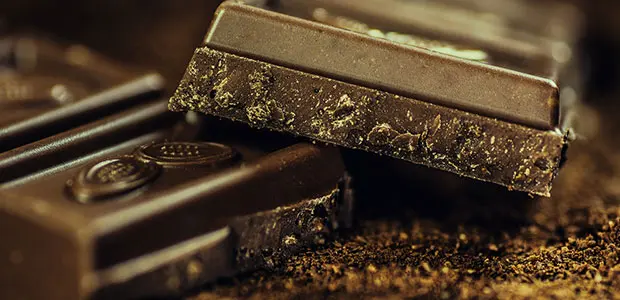
Theobromine is a key ingredient in chocolate and cocoa powder. It is highly poisonous to dogs and cats — if they eat any, it can be fatal, affecting their hearts, kidneys, and nervous systems. Keep your selection boxes sealed at all times — ideally store them up high, where your pet can’t get to them. The same goes for chocolate of any kind (even chocolatey drinks).
Cooked bones
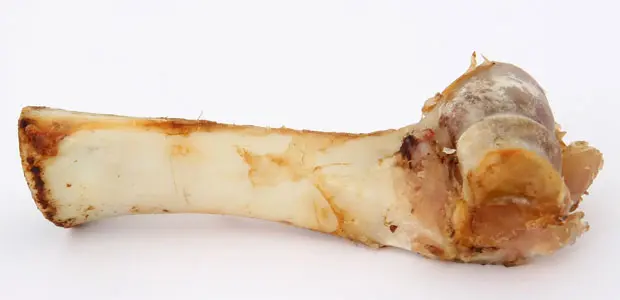
While this one isn’t poisonous, it's still a bad idea to give to your dog. Cooked bones are known to split, which means they can scratch or become lodged in your dog’s throat. Sometimes, they can even cause slab fractures of their teeth. Raw bones, which can also cause salmonella, are equally dangerous. If you really want to give the dog a bone this Christmas, we'd recommend sticking with a squeaky toy one.
Corn on the cob
The cob might cause a blockage if your pet swallows it. The corn itself isn’t the easiest for pets to digest either. All in all, it’s best to keep the corn on the cob for yourself.
Read more: Are Christmas trees poisonous to dogs?
Alcohol
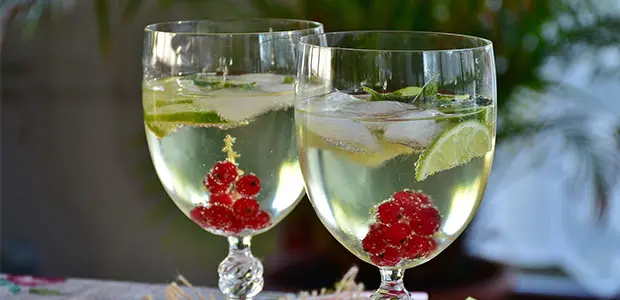
Alcohol can cause an array of serious health problems, the most common symptoms being vomiting, depression, visible dizziness, and breathing difficulties. Don’t leave your glass on the floor unattended, and keep mulled wine, Baileys, and other sources of festive merriment reserved for humans only this Christmas.
Grapes and raisins
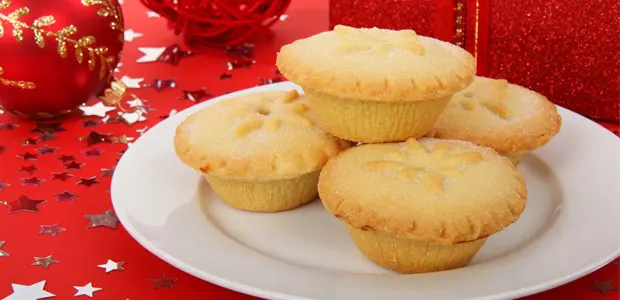
Grapes are highly toxic to pets and can cause kidney failure if eaten. Watch out for the likes of Christmas cake, Christmas pudding, fruitcakes, and sweet mince pies. (Things you’d naturally keep to yourself and guard with your life anyway, so we’re all good here.)
Onions, garlic, and chives
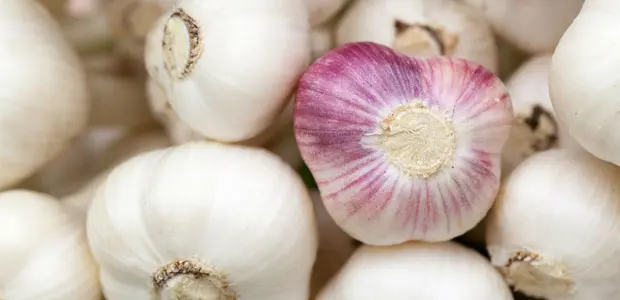
These ingredients are known to cause stomach and red blood cell damage to pets. While you're cooking, it’s worth keeping your pets out of the kitchen in case you drop anything. Once you’re all sorted and everything is in the oven, be sure to have a good clean-up (especially the floor) before letting them come back in.
Nuts
Certain types of nuts — macadamia nuts in particular — can cause vomiting, depression, and even hyperthermia in pets who eat them. They’re also a choking hazard. As with the other foods listed here, keep nuts well away from your pets, take extra care not to drop any, and to clean them up right away if you do.
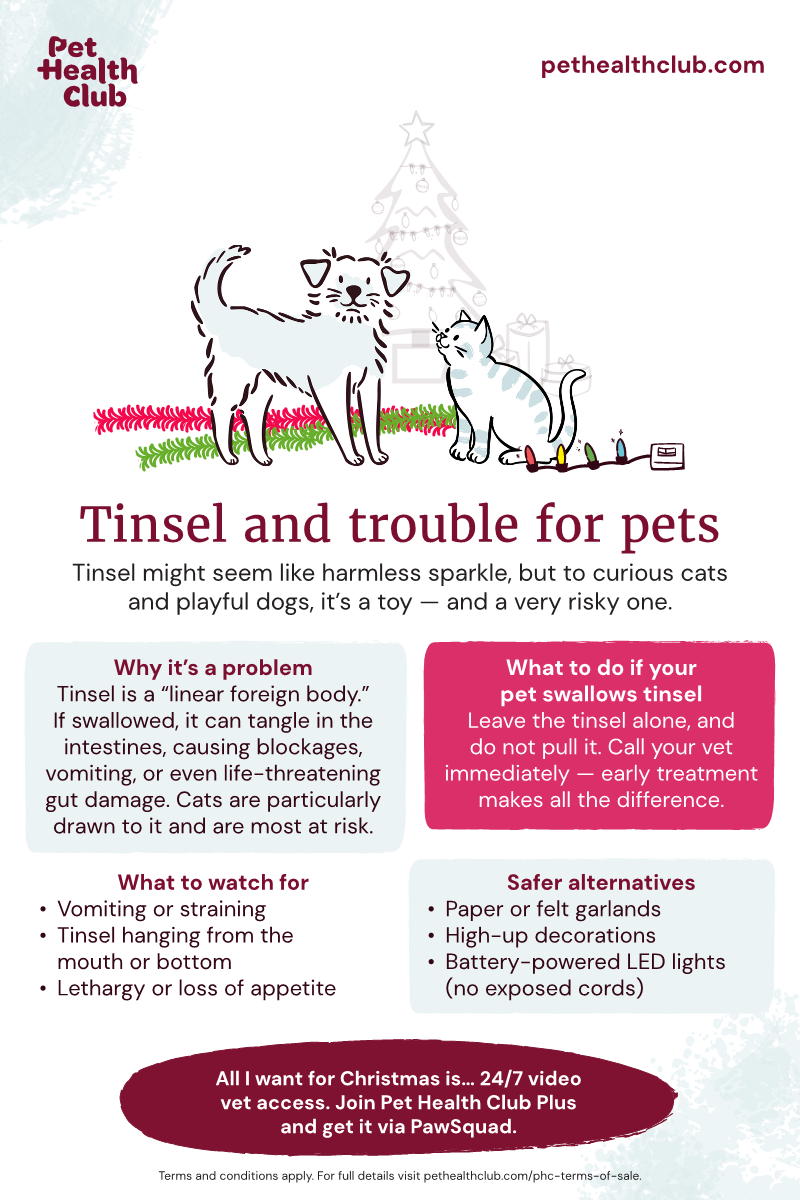
Read more: Cat Christmas hazards
Xylitol (the sweetener)
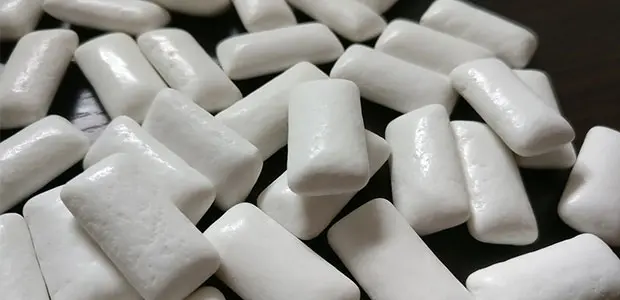
Xylitol is found in most sugar-free treats such as chewing gum, sweets, and some types of peanut butter. It can also be used in toothpaste, mouthwash, and even in certain baked goods. If your pet swallows any product containing xylitol, they’re at risk of vomiting, general discomfort, seizures, and even death. A handy rule to keep is this: if it isn’t stated clearly that it’s suitable or designed for pets, they shouldn't be eating it.
Fatty foods
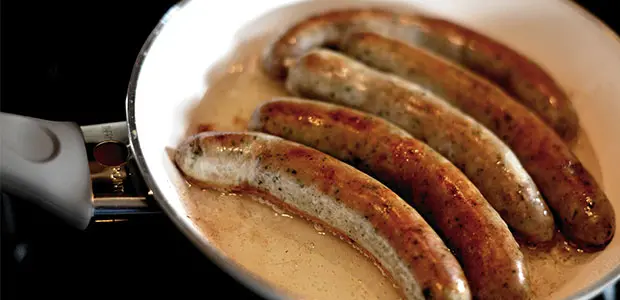
Although harmless in small doses, fatty foods could give your pet an upset stomach and can sometimes lead to pancreatitis — a painful and debilitating condition that sometimes can be fatal. It’s worth steering clear, especially of sausages and turkey skin. It's easy to think of these as Christmas treats, but the chances are your pet will resort to begging you for it the next time they see you with it. If you give in every time, they could end up obese. It's easiest to say no the first time, and stick to that good habit.
What if my pet eats a dangerous food?
You should contact your vet or relevant out-of-hours provider immediately — you're better safe than sorry. If a trip to the vets is necessary, take the packaging of whatever your pet has eaten with you. Being able to see the exact ingredients list will help the vet a great deal.
Which Christmas treats can I feed my pet?
Of course, there are loads of pet-friendly Christmas treats out there that are approved by vets. Getting your pet a gift is also a lovely idea — it can keep them entertained and fully included in the festivities. You can find a great range of vet-approved treats and gifts for pets at the Pet Health Club Shop, and members get a discount.
Need more advice?
Short of ideas? Why not talk to your vet? They’ll be more than happy to help and can recommend some treats and toys to ensure your pets have a Very Merry Christmas indeed.
Find your nearest vet using our Find a Vet page.
Join the club today
Get regular health checks, vaccinations, and more, all included in your plan.

Medically reviewed by Dave Tweedle, BVetMed MRCVS, Edward Davies, BVSc MRCVS
Published on 13/11/2018 • Reviewed on 28/11/2025